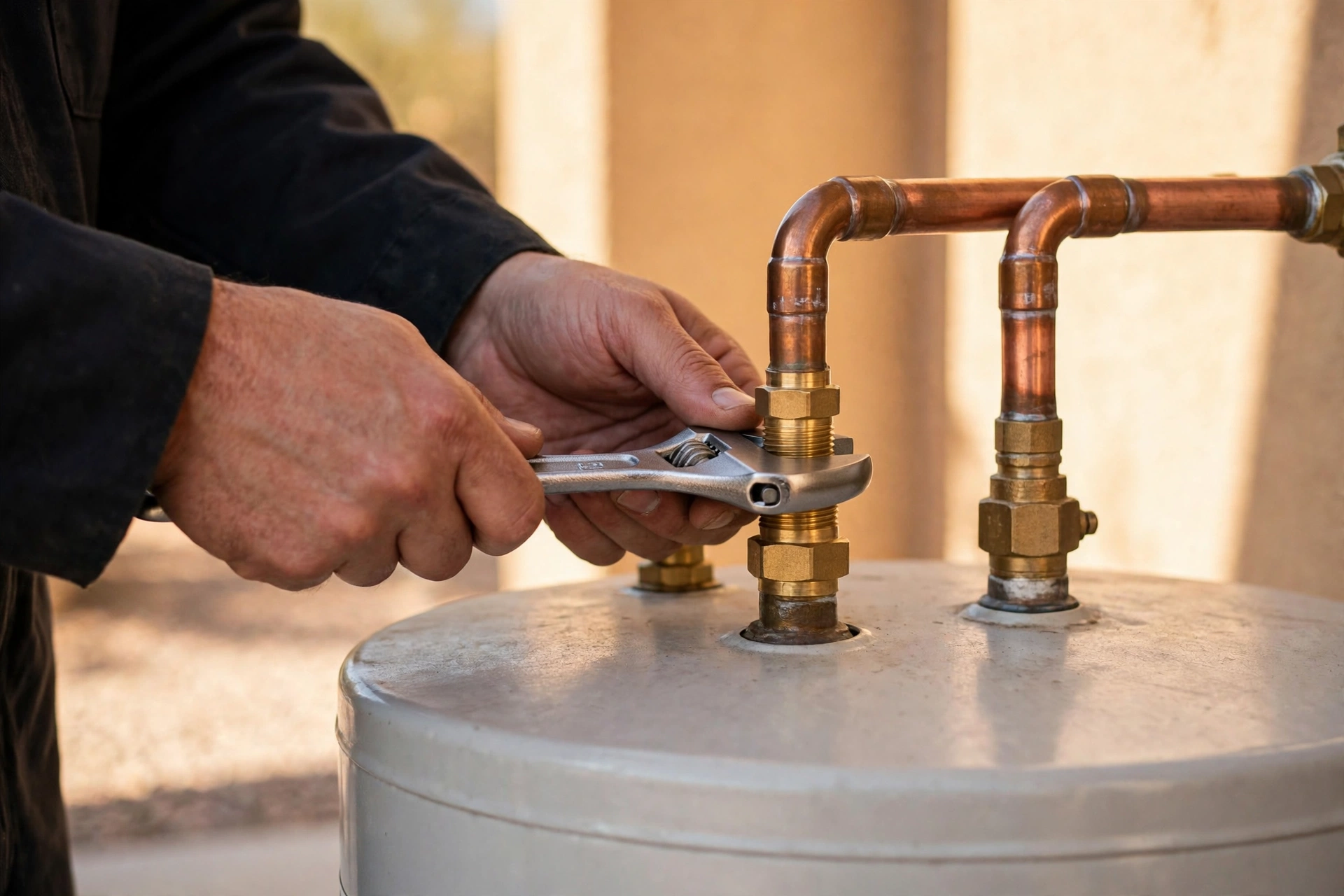
Water Heater Repair
Valley Water Heater Pros repairs gas and electric water heaters across Tempe, from failed heating elements to …
Learn moreInstalling a water heater looks simple from the outside: swap the old tank for a new one and connect the pipes. In practice, the details decide whether that new unit runs efficiently for a decade or starts struggling in year three. Proper sizing, correct venting on gas models, solid electrical connections on electric models, and protection against Tempe's mineral-heavy water all matter from the first day.
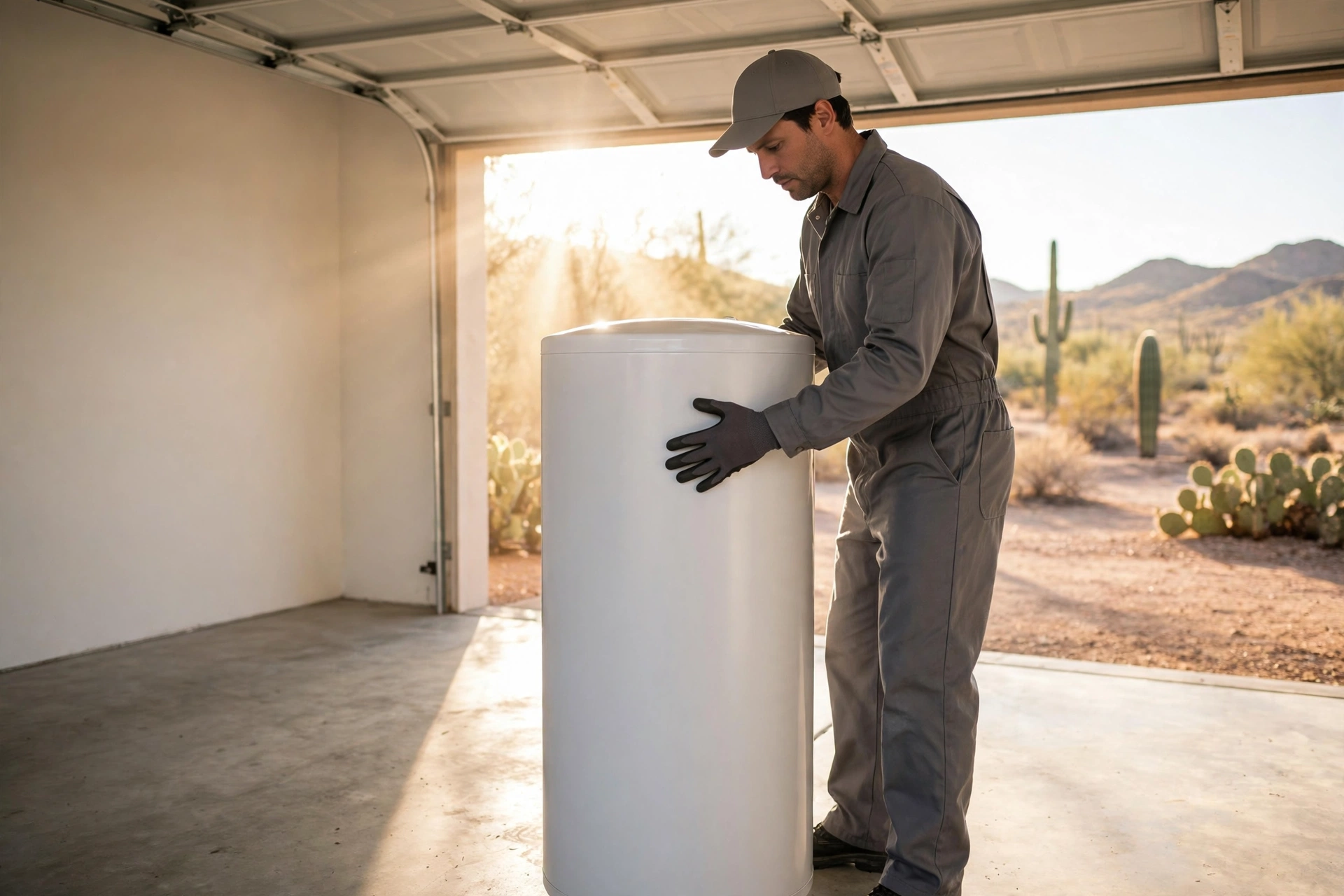
Valley Water Heater Pros installs both gas and electric water heaters across Tempe, and we treat every installation as a small engineering project. We measure your household's hot water demand, check your existing gas line or electrical panel capacity, and recommend a unit that fits your home rather than whatever happens to be on the shelf. Here is how we think about sizing, fuel choice, installation day, and life after the install.
Age is the simplest signal. Most tank water heaters last 8 to 12 years, and Tempe's hard water tends to push units toward the shorter end of that range. If your tank is past its tenth birthday and needs a repair that costs a meaningful fraction of a new unit, replacement usually wins on math alone.
Performance tells the rest of the story. Water that runs out during normal use, a tank that rumbles even after flushing, or rust in the hot water supply all suggest the tank itself is wearing out rather than a single part failing. At that point, putting new parts into a dying tank buys months at best. A fresh installation resets the clock and often improves efficiency noticeably. Timing matters too. Replacing a failing unit on your schedule lets you choose the right size and model without pressure. Waiting for a rupture means an emergency swap, water damage cleanup, and whatever unit is available fastest. Planning ahead always produces the better installation.
Related: water heater replacement
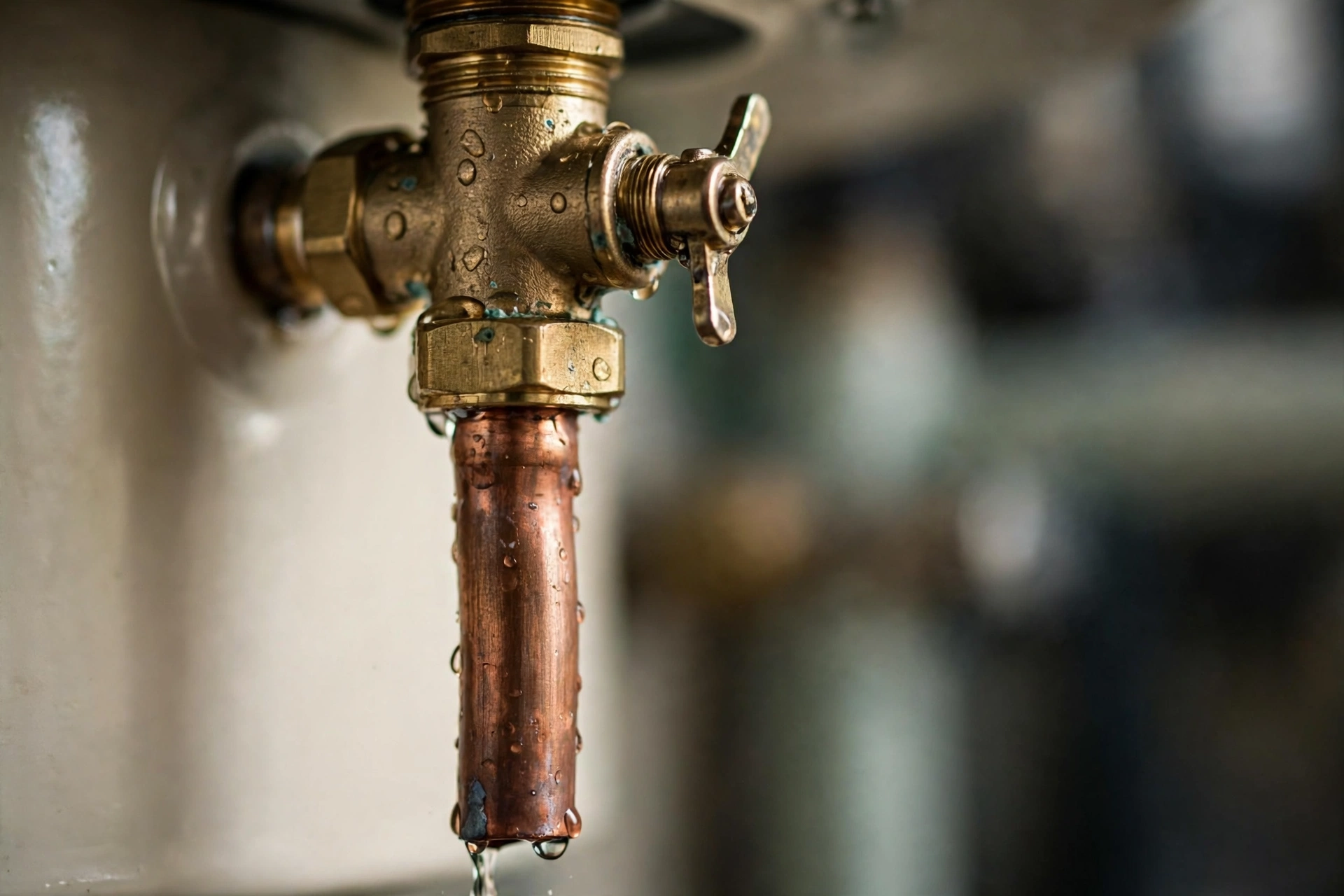
An undersized water heater runs out during back-to-back showers and forces the burner or elements to cycle constantly, which wears everything faster. An oversized one wastes energy keeping water hot that nobody uses. Getting the size right is the highest-value decision in the whole installation.
We size based on your household's real patterns: how many people live there, how many bathrooms see morning use, and whether you run the dishwasher and laundry during peak hours. A couple in a condo has very different needs than a family of five with teenagers. First-hour rating matters more than the gallon number on the label, and we walk you through both before you choose.
Most Tempe homes already have a clear answer based on existing hookups. If your current unit is gas and the venting is in good shape, staying with gas usually keeps installation simpler and recovery times fast. Gas units heat water quickly, which suits larger households, though they need proper venting and combustion air.
Electric units are simpler to install where the panel has capacity, and they avoid any combustion concerns in tight garage spaces. They recover more slowly than gas, so sizing matters even more. We check your electrical panel's available amperage before recommending electric, because an undersized circuit will trip breakers exactly when you need hot water most. We also confirm the infrastructure behind your choice. Gas installations need proper line sizing and venting, while electric needs panel capacity and correct breaker sizing. These checks happen before installation day, so the project never stalls halfway through.
Related: gas water heater options, electric water heater options
We start by shutting off water, gas or power, and draining the old tank completely. Draining a sediment-heavy Tempe tank can take a while, so we plan for it rather than rushing. The old unit comes out, the area gets cleaned up, and we inspect the platform, connections, and venting before the new unit goes in.
Setting the new unit involves leveling it, connecting water lines with fresh fittings, wiring or piping the fuel source, and installing a new TPR discharge line routed to a safe location. We fill the tank completely before energizing it, which protects electric elements from burning out in seconds, then set the thermostat to 120 degrees and test every joint for leaks. You get a walkthrough of the new controls before we leave.
Most Tempe water heaters live in the garage, which means they bake through summers when garage temperatures push past 115 degrees. That ambient heat actually reduces standby energy loss, since the surrounding air is nearly as hot as the tank, but it punishes rubber components, wiring insulation, and plastic parts over time.
We install with that reality in mind: quality supply lines, secure electrical connections that will not loosen under heat cycling, and proper clearances for air circulation. We also talk through where your unit sits relative to vehicles and storage, because a water heater tucked behind boxes is a water heater nobody inspects until it fails. A visible, accessible unit gets maintained. A hidden one gets forgotten. Monsoon season adds moisture to the mix. Humidity spikes can accelerate corrosion on fittings and venting, so we use corrosion-resistant connections and confirm the TPR discharge routes safely away from the unit. Small details like these separate an installation that lasts from one that merely works.
A new water heater in Tempe faces the same 15 to 25 grains per gallon hardness that wore out the old one. The difference is that starting maintenance early keeps sediment from ever gaining a foothold. An annual flush, an anode rod check every couple of years, and periodic TPR valve testing will keep a new tank running at its rated efficiency for its full expected life.
We set every new installation up with a maintenance plan tailored to your water usage and household size, and we leave you with a simple schedule you can actually follow. The ten minutes of attention a flushed tank needs each year is the cheapest longevity insurance a Tempe homeowner can buy.
Related: annual water heater maintenance, Tempe installation service
Describe what your unit is doing and we will help arrange the next step.
Size follows your household's peak hot water demand, not just the number of bedrooms. We look at how many people live in the home, morning shower patterns, and big simultaneous uses like laundry plus dishwashing. The first-hour rating on the label matters more than tank gallons, and we explain both numbers before you decide.
It is possible in many Tempe homes, but the feasibility depends on what is already there. Switching to gas needs a gas line run and proper venting, while switching to electric needs enough spare amperage in your panel. We check both during the estimate visit and give you an honest read on cost and complexity either way.
A straightforward like-for-like swap usually takes a few hours, including draining the old tank and testing the new one. Changeovers that involve new venting, gas line work, or electrical upgrades take longer. We give you a realistic time window before we start, and we clean up fully when we finish.
Yes. Removing and hauling away the old unit is part of every installation we do. We drain it, disconnect it, get it out of your garage without scuffing walls or floors, and handle disposal responsibly so you never have to deal with a dead tank sitting on your curb.
Often, yes, especially if your old unit was limping along with heavy sediment or a failing thermostat. Newer tanks are better insulated and heat more efficiently, and correct sizing means less wasted standby heat. In a Tempe garage that already bakes in summer, standby losses are low, so most of the savings come from the unit simply working properly.
Most Tempe installations stay in the garage where the old unit sat, since the plumbing, gas, and electrical are already routed there. We confirm the location has proper clearances, a safe TPR discharge route, and room for future maintenance access. Moving a unit to a new spot is possible but adds plumbing work, so we only suggest it when there is a clear reason.
Not seeing your question? Request service and describe what your unit is doing.
Call (480) 806-1663Valley Water Heater Pros repairs gas and electric water heaters across Tempe, from failed heating elements to …
Learn more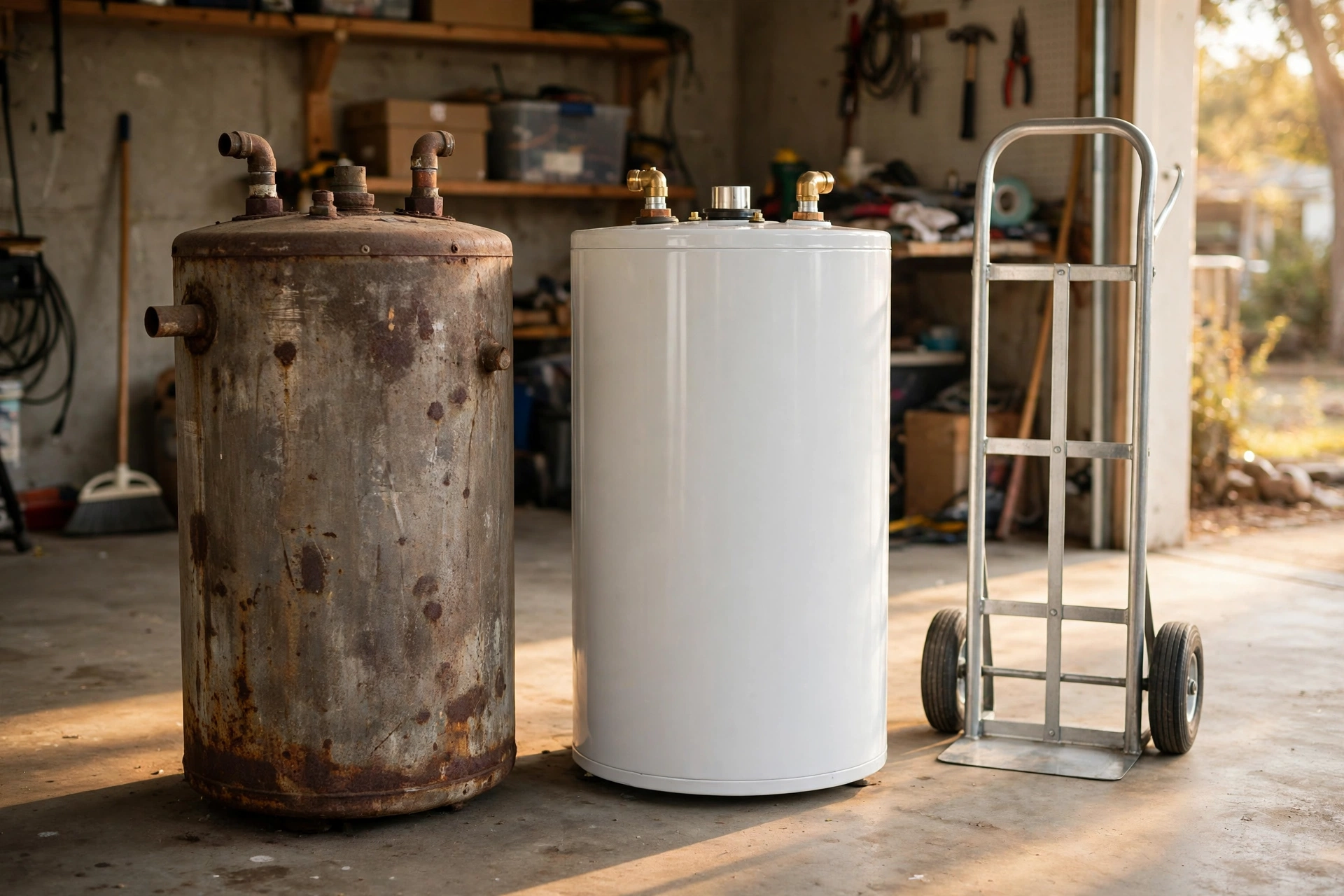
Water heater replacement makes sense when your tank is past its prime, leaking from the tank body, or costing …
Learn more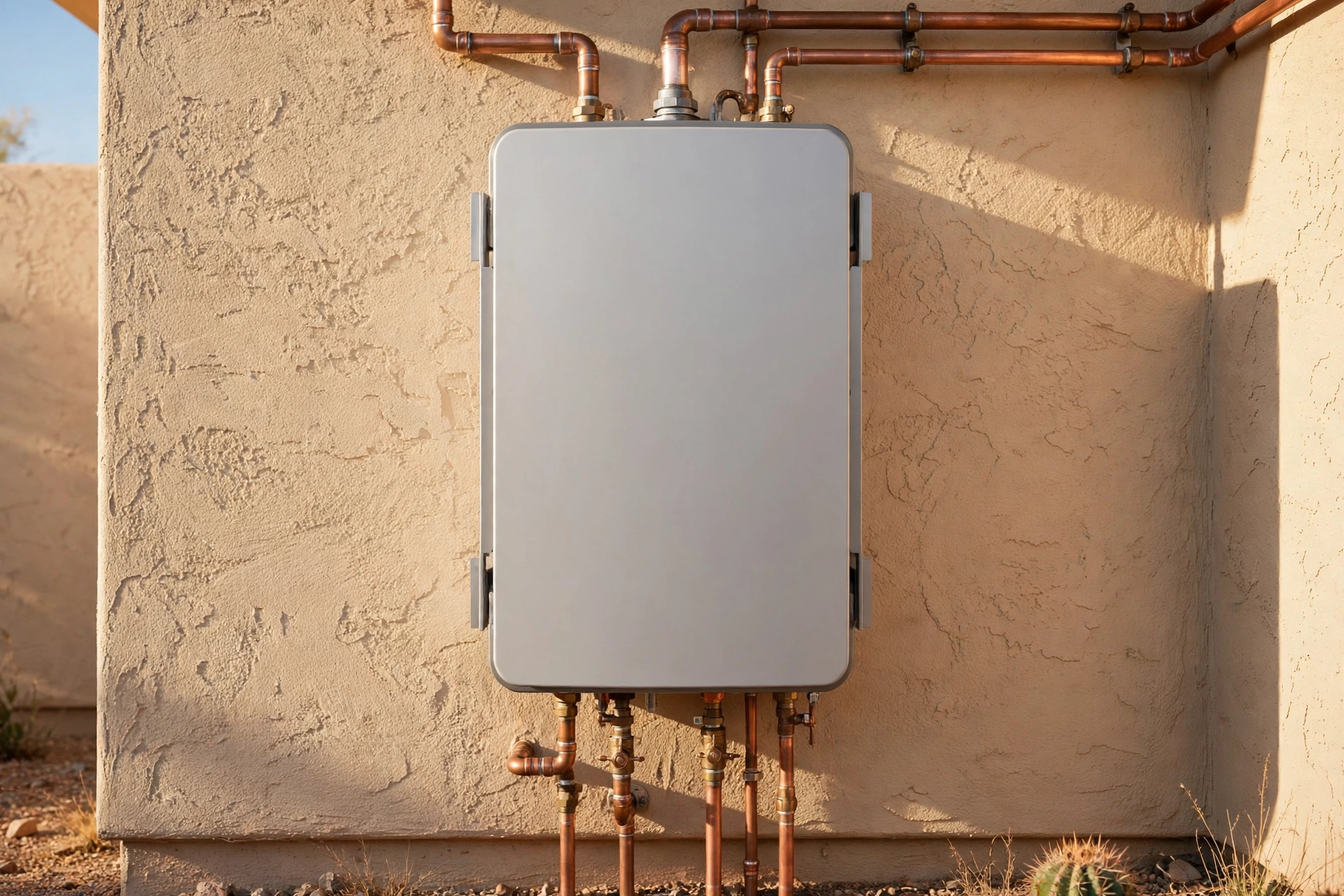
Tankless water heaters give Tempe homes endless hot water without a bulky storage tank, but our hard water dem…
Learn more