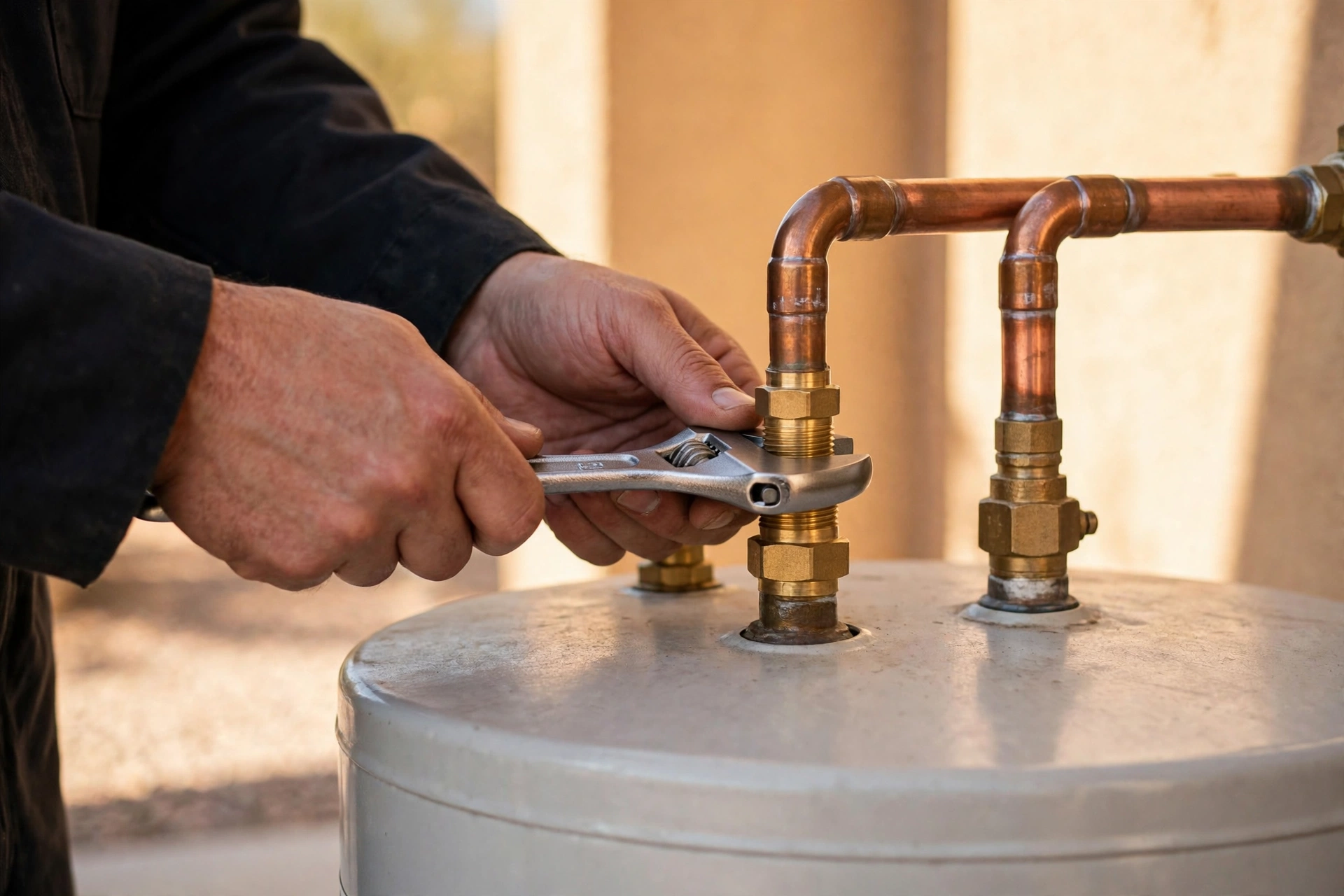
Water Heater Repair
Valley Water Heater Pros repairs gas and electric water heaters across Tempe, from failed heating elements to …
Learn moreEvery water heater reaches a point where repairs stop making sense. The tank is old, the sediment is baked in, the anode rod is long gone, and each new part you install is just keeping a failing tank on life support. Recognizing that moment, and acting on it before the tank ruptures, is one of the smartest moves a Tempe homeowner can make.
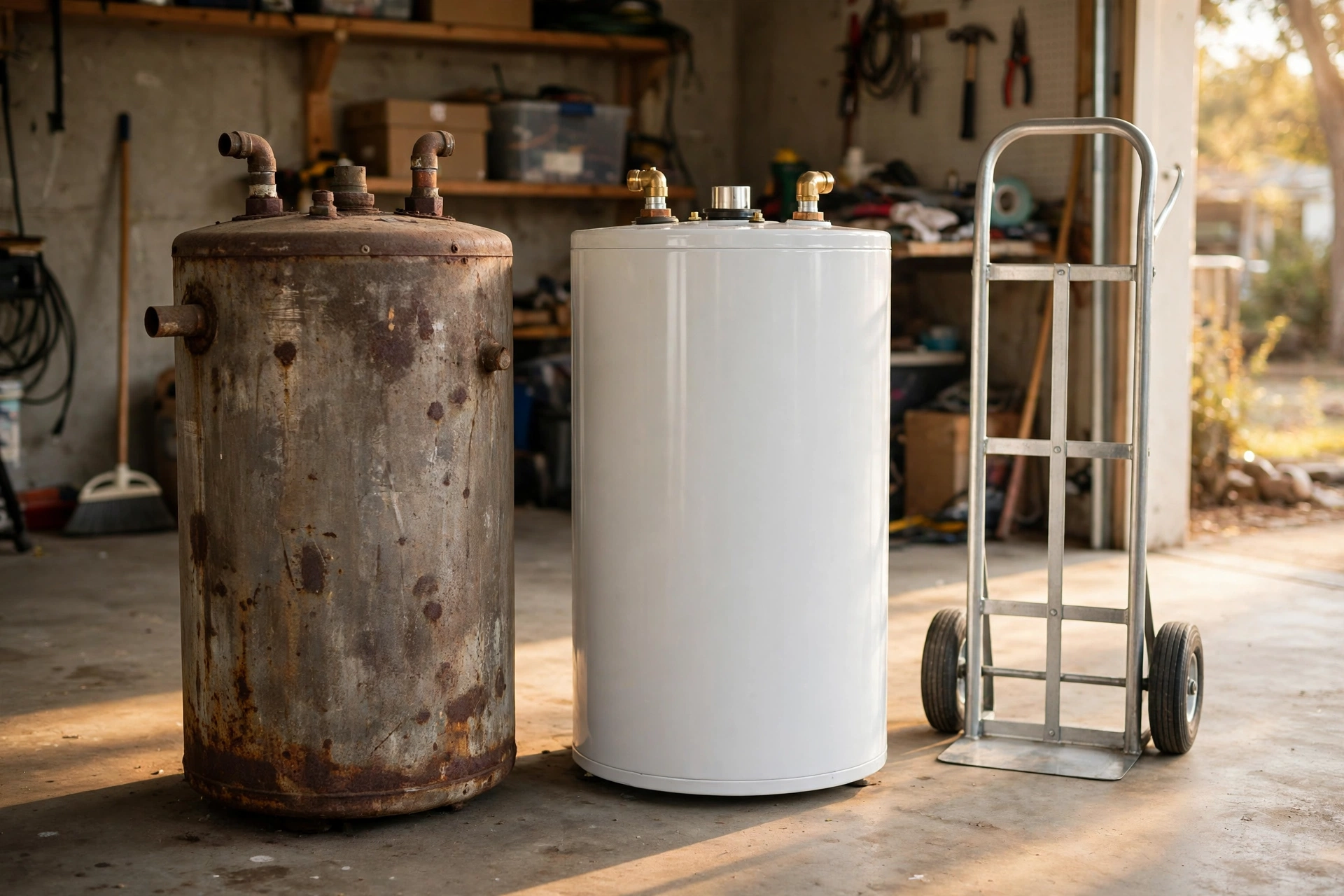
Replacement is not just a bigger repair. It is a chance to fix the sizing mistakes of the past, choose the right fuel for your household, and start fresh with a maintenance routine that actually sticks. We handle the entire changeover, from hauling out the dead unit to dialing in the new one, and we leave your garage cleaner than we found it.
The decision usually comes down to three factors: age, condition, and cost. A tank under eight years old with a failed element or thermostat is almost always worth repairing. A tank past ten years with rust-colored water or a weeping seam is telling you its time is up, and money spent on parts is money that could have gone toward the replacement.
We give you the numbers straight. If a repair will buy years of reliable service, we will say so and do the repair. If the tank is failing structurally, we will show you why and explain what replacement involves. Our job is to give you the information, not to push you toward the bigger ticket. We encourage you to ask questions during the assessment. How old is the tank, what does the sediment look like, how much anode rod remains: these details tell the story. An honest technician shows you the evidence instead of just naming a price tier. That transparency is how we work every replacement consultation.
Replacement day starts with shutdowns: water off, gas or power off, and the old tank drained. Tempe tanks with years of sediment drain slowly, so we allow real time for this instead of forcing it. Once empty, the old unit is disconnected, maneuvered out, and hauled away, and the installation area gets a full inspection.
The new unit goes in on a level surface with fresh supply connections, a new TPR valve and discharge line, and fuel hookups done to current standards. We fill the tank completely before applying heat, set the thermostat to 120 degrees, and pressure-test every joint. Before leaving, we walk you through the new controls, the maintenance schedule, and the signs that deserve a call.
Related: our installation process, Tempe replacement service
Many Tempe homes are running water heaters that were sized for a different household: too small for a growing family, or oversized for a now-empty nest. Replacement is your chance to correct that. We look at who lives in the home now, how hot water gets used on busy mornings, and whether fixtures like soaking tubs or multi-head showers have been added since the last install.
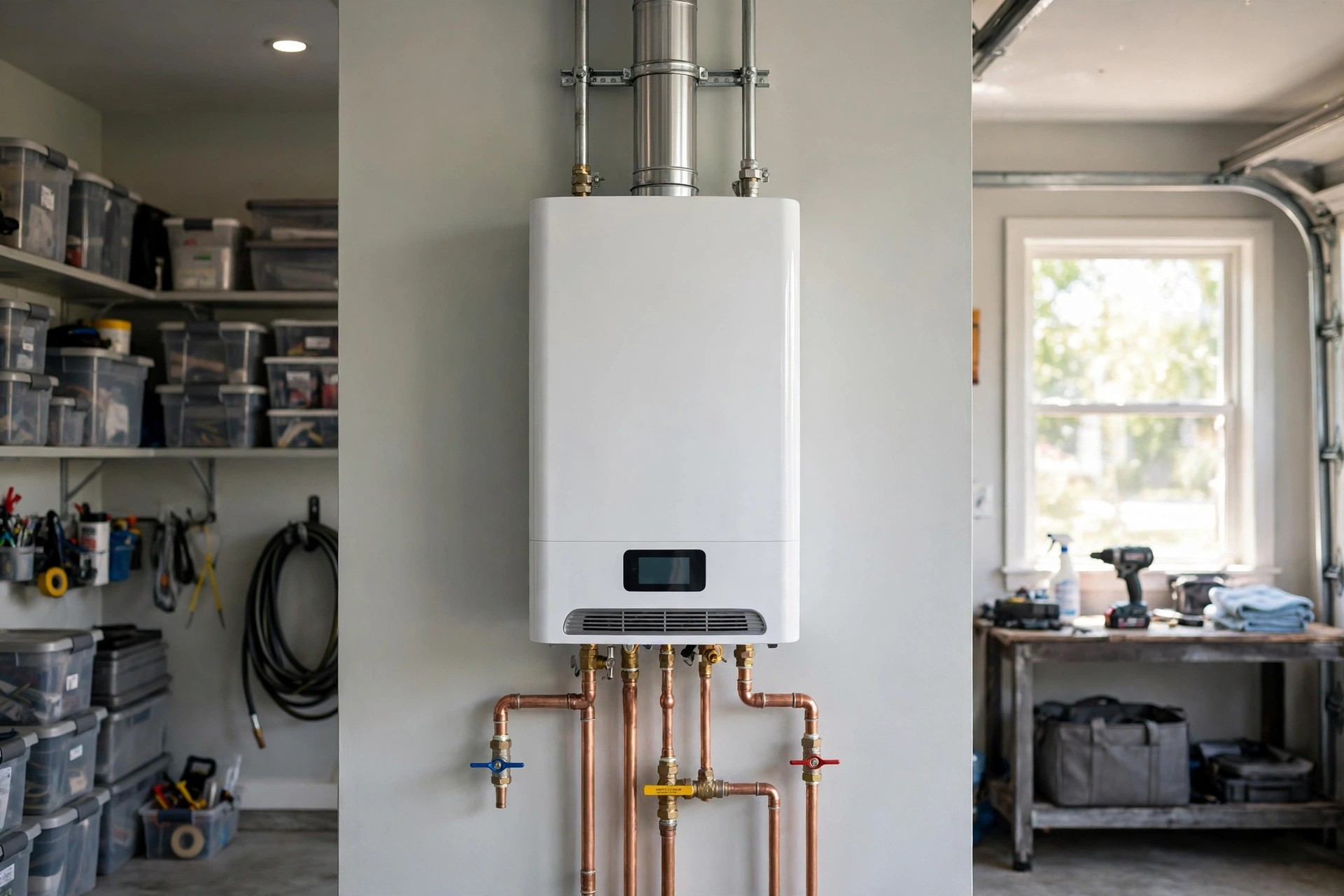
Sometimes the right answer is a larger tank. Sometimes it is a high-recovery model that reheats faster without taking more floor space. And sometimes the right answer is going tankless, which we will discuss honestly, including the gas line and venting changes that conversion requires. The goal is a unit matched to your life, not to the house as it was built. We also look at how your home has changed since the last install. Added a bathroom, finished a casita, or started running a home business with extra laundry? Hot water demand evolves, and replacement is the moment to catch up. Tell us how the household actually lives now, and we will size to that reality.
We get asked often whether a badly scaled tank can be cleaned out and given a second life. The honest answer is no, not once the damage is done. Years of sediment bake onto the tank bottom, insulate it from the heat source, and create hot spots that weaken the steel. Flushing helps a healthy tank stay healthy, but it cannot reverse years of overheating and corrosion.
The anode rod tells the same story. It sacrifices itself to protect the tank lining, and in Tempe's aggressive water it can be consumed in just a few years. Once the rod is gone and the lining is compromised, rust follows, and rust in a pressurized steel tank is a countdown, not a condition to manage. Replacement is the safe, lasting answer. This is also why we are blunt about miracle cures. Chemical descalers marketed for tank units cannot restore thinned steel or rebuild a consumed anode rod. Money spent on additives for a dying tank is money not spent on its replacement. We would rather tell you the uncomfortable truth than sell you false hope.
Related: flushing and anode rod care
A dead water heater is heavy, awkward, and full of unpleasant sediment water, which is why hauling it away is part of our replacement service, not an add-on. We drain the tank as completely as possible, protect your floors and doorways on the way out, and load it for proper disposal.
Old tanks go to metal recycling rather than a landfill whenever possible. Steel tanks, copper fittings, and brass valves all have recycling value, and responsible disposal keeps sediment sludge and rust out of the waste stream. You never see the old unit again after we carry it out, which is exactly how it should be. If your old unit failed catastrophically, we also help you assess the surrounding area. Water-damaged drywall, soaked insulation, and rusted platforms sometimes need attention before the new unit goes in. We flag what we see and make sure the new installation starts on a sound foundation.
New water heaters settle in quickly, but a little attention in the first month pays off. Check around the base and connections after the first few days for any hint of moisture, and confirm the water temperature at the tap matches the 120 degree thermostat setting. New units sometimes need one small adjustment after the first heating cycles.
This is also the perfect time to start the maintenance habits that will define the unit's lifespan. Mark a yearly flush on your calendar, note the anode rod check for a couple of years out, and keep the area around the unit clear. Starting these habits with a brand-new tank is far easier than trying to rescue a neglected one later.
Related: tankless options, serving Tempe, AZ
Describe what your unit is doing and we will help arrange the next step.
Age and tank condition are the deciding factors. If your unit is over ten years old, shows rust in the hot water, or leaks from the tank body, replacement is the right call. A younger tank with a single failed part is usually worth repairing, and we will tell you honestly which situation you are in.
Most tanks last 8 to 12 years nationally, but Tempe's 15 to 25 grains per gallon hard water tends to push local units toward the shorter end without regular flushing. Units that get annual flushes and anode rod checks routinely outlast neglected ones by years. Maintenance history matters more than the brand on the label.
Yes, and many Tempe homeowners make that switch during replacement. Going tankless usually requires gas line upgrades and new venting, plus descaling access for our hard water. We evaluate your home's setup and give you a clear picture of what the conversion involves before you decide.
We drain it, disconnect it, carry it out without damaging your home, and haul it away for metal recycling. Disposal is included in every replacement, so you are never left figuring out what to do with a heavy dead tank sitting in your garage.
In most cases, yes. Standard tank dimensions have stayed consistent enough that a like-for-like replacement drops into the same footprint. If you are upsizing significantly or switching fuel types, we verify clearances and connections during the planning visit so there are no surprises on installation day.
If your tank is past ten years and showing warning signs like rumbling, rusty water, or rising energy use, proactive replacement beats waiting for a rupture. A planned replacement happens on your schedule, while a failed tank floods your garage on its own schedule. We help you weigh the timing honestly.
Not seeing your question? Request service and describe what your unit is doing.
Call (480) 806-1663Valley Water Heater Pros repairs gas and electric water heaters across Tempe, from failed heating elements to …
Learn more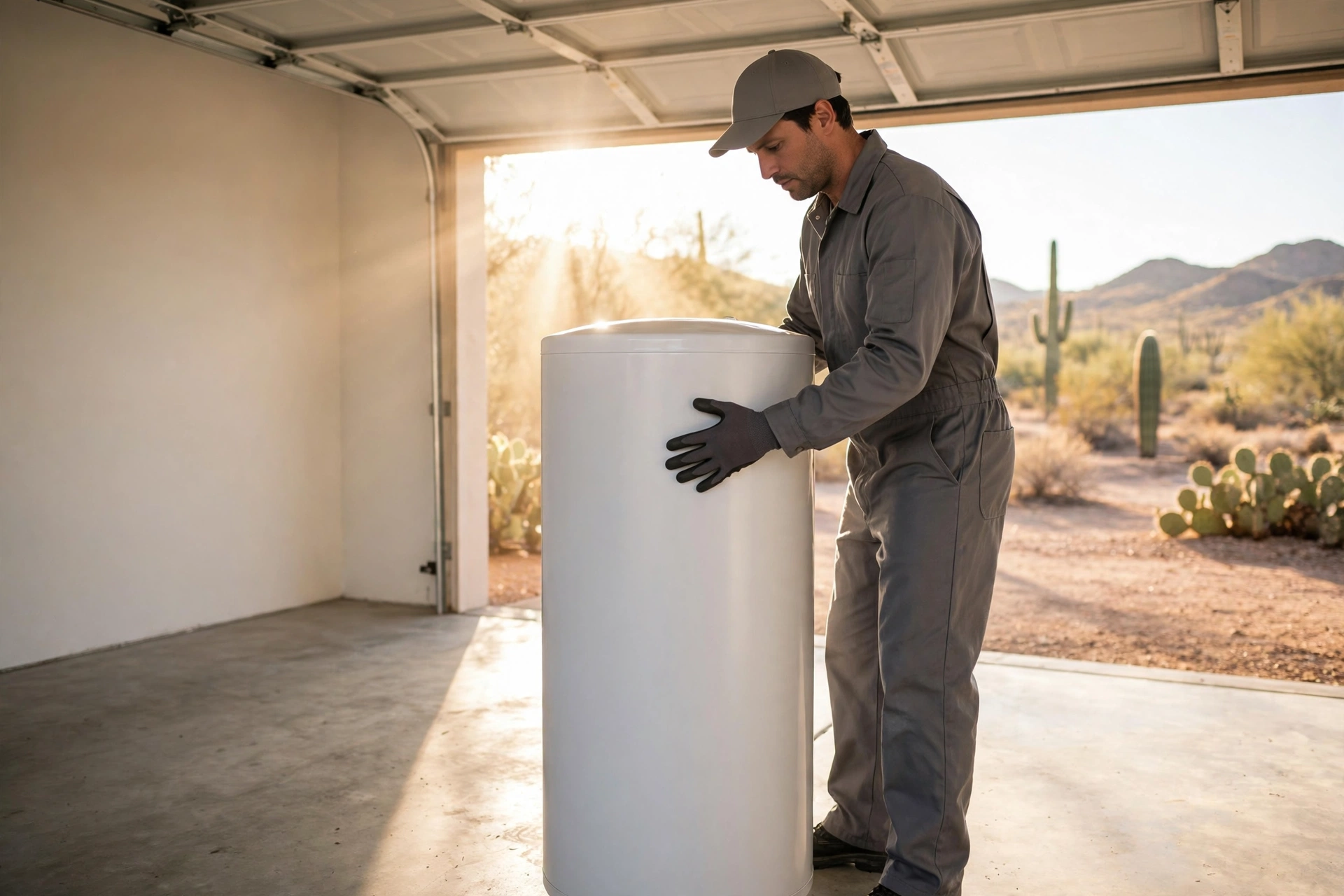
A new water heater installation in Tempe starts with sizing the tank to your household and choosing between ga…
Learn more
Tankless water heaters give Tempe homes endless hot water without a bulky storage tank, but our hard water dem…
Learn more