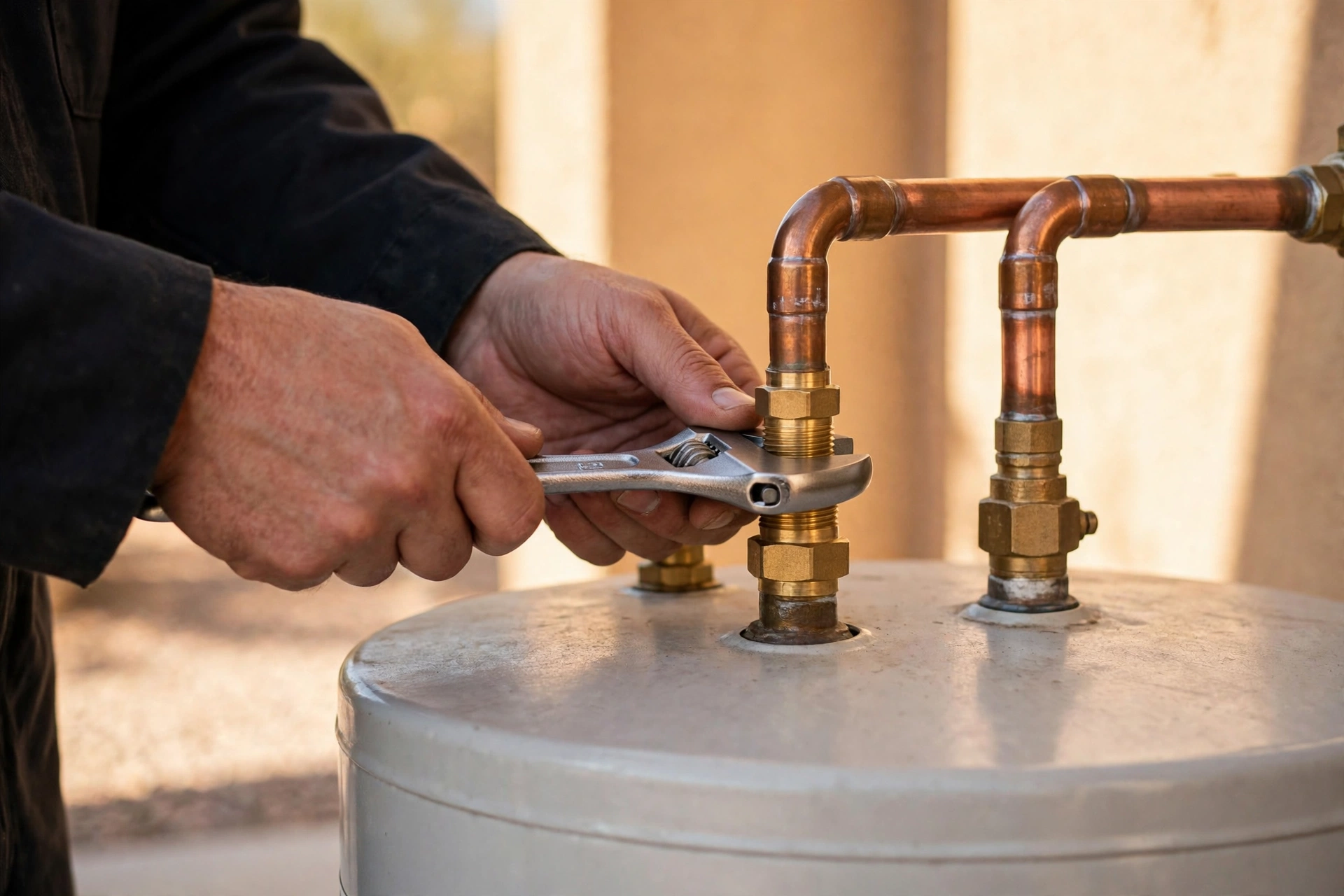
Water Heater Repair
Valley Water Heater Pros repairs gas and electric water heaters across Tempe, from failed heating elements to …
Learn moreGas water heaters remain the workhorse of Tempe homes, and for good reason. They recover quickly after heavy use, handle large households without breaking a sweat, and keep working through the power outages that monsoon storms occasionally bring. But gas adds combustion to the equation, which means pilots, thermocouples, burners, and venting all need knowledgeable attention.
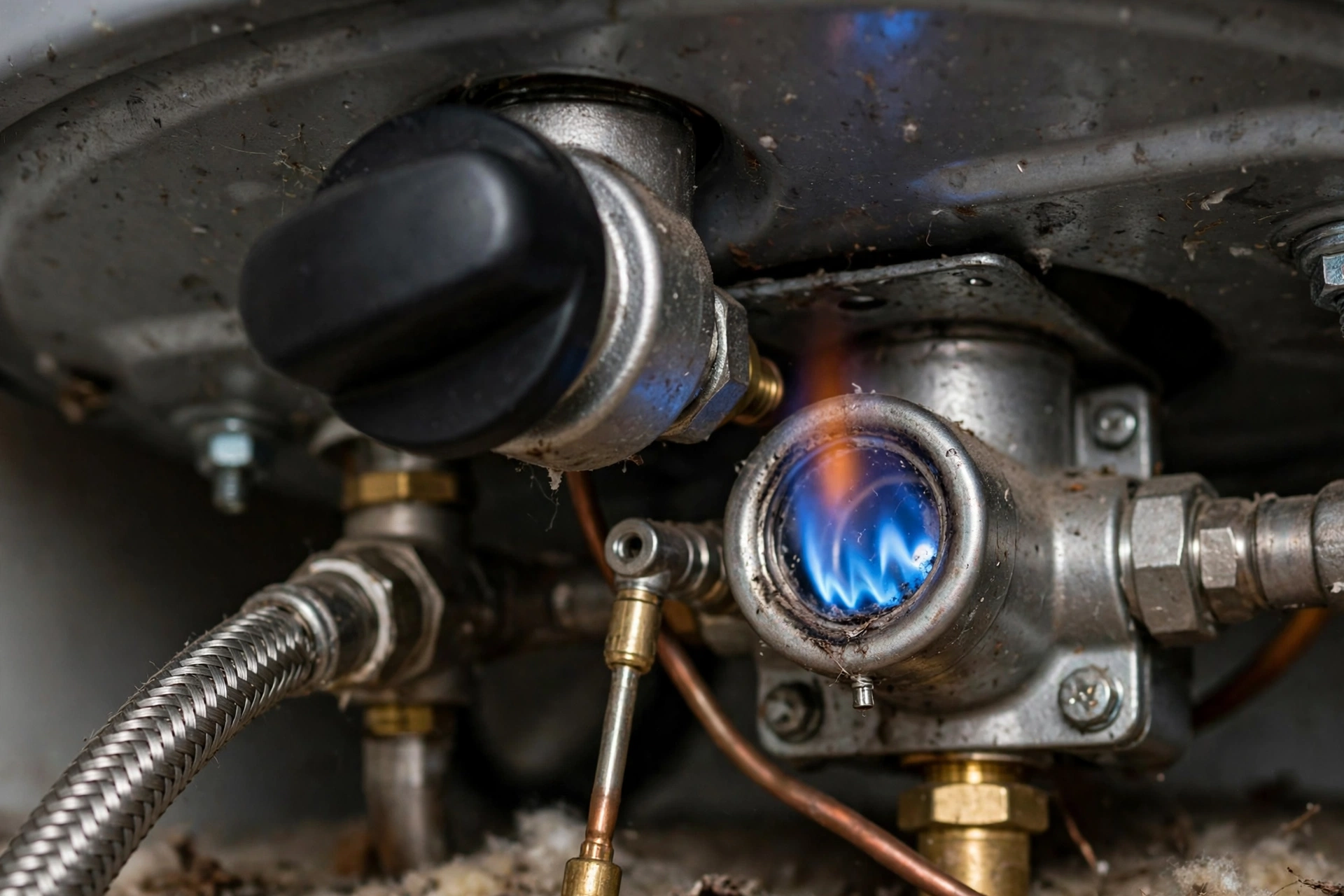
Valley Water Heater Pros services gas water heaters as part of our hot-water-only focus. We understand how Tempe's dusty garages clog burners, how monsoon gusts snuff pilots, and how hard water attacks gas tanks just as aggressively as electric ones. Whether yours needs a repair, a tune-up, or a full replacement, here is what gas ownership looks like in the Valley.
The pilot light is a small flame with an outsized job: it must stay lit so the main burner can fire on demand. When it goes out repeatedly, the thermocouple is the usual suspect. This heat-sensing safety device shuts off gas flow if the pilot dies, and after years of heat cycling it weakens until it cannot hold the gas valve open even with a healthy flame.
We diagnose pilot problems methodically: checking gas supply pressure, cleaning the pilot orifice, testing thermocouple output, and inspecting the burner compartment for dust and debris. Monsoon season adds a wrinkle, since gust-driven downdrafts through vents can snuff pilots that are otherwise healthy. A proper diagnosis distinguishes a failing part from an environmental cause, so the fix actually sticks. We also check the gas control valve itself during pilot diagnostics. A failing control valve can mimic thermocouple symptoms, cutting gas even when the pilot and thermocouple test fine. Replacing a thermocouple without testing the valve wastes a visit, so we verify the whole safety chain before recommending parts.
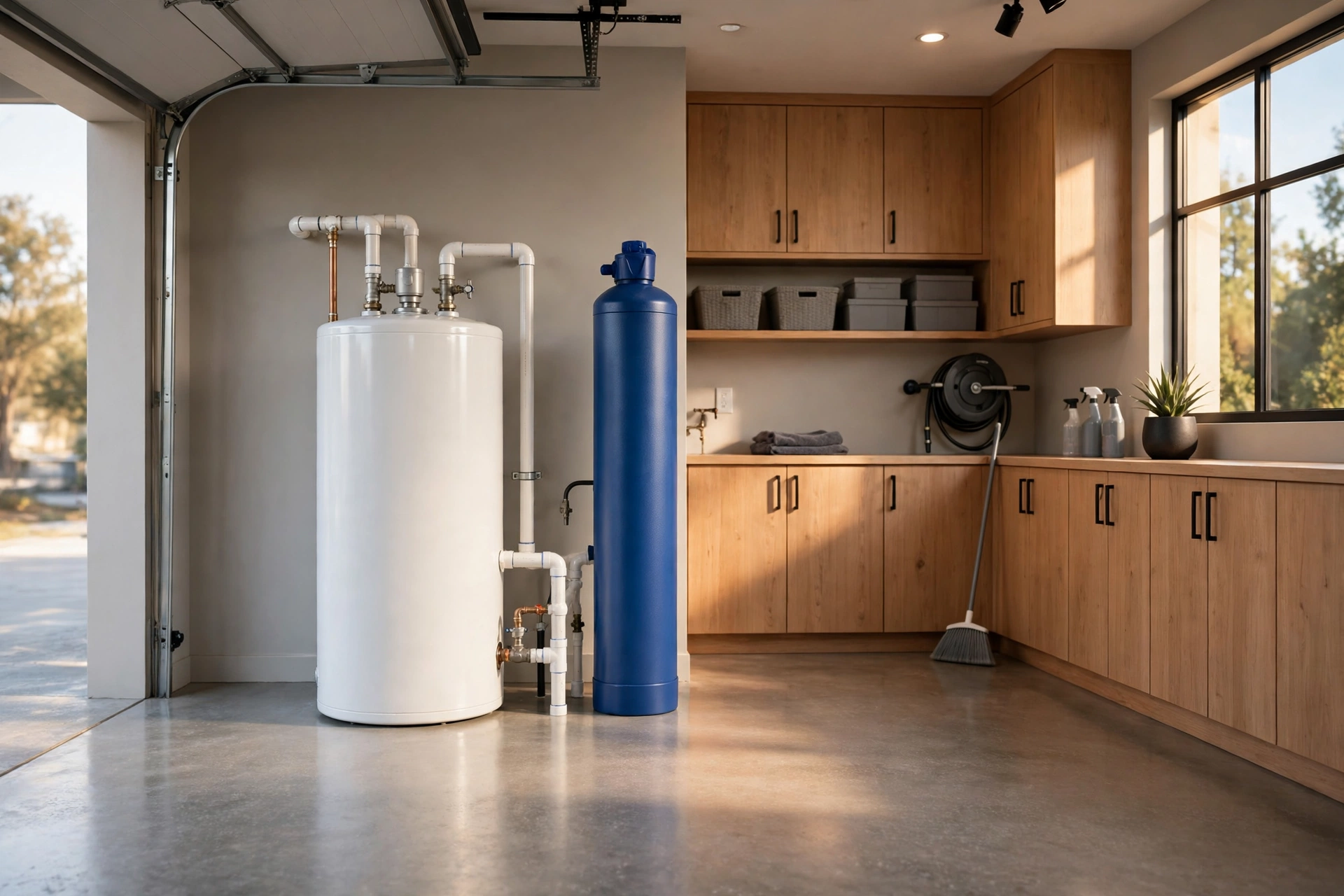
Safe gas combustion needs three things: clean fuel delivery, adequate combustion air, and a clear vent path. We check all three on every gas service visit. Burners clogged with garage dust burn yellow and sooty instead of blue, which wastes gas and produces carbon monoxide. Venting blocked by debris or corroded by years of heat cannot carry exhaust out properly.
Tempe garages challenge both. Dust is constant, stored items migrate against the unit and block combustion air openings, and summer heat cycling loosens vent connections over time. Our safety check covers burner condition, flame color, vent integrity from unit to termination, and combustion air clearances. Anything we find gets explained and corrected before it becomes dangerous.
Gas water heaters are already efficient at heating water quickly, and Tempe's climate gives them a small assist. Garage installations sitting in 115 degree summer air lose very little standby heat, since the surrounding air is nearly as warm as the tank. Your gas dollars go almost entirely toward heating water, not fighting a cold room.
Efficiency still depends on maintenance. Scale on the tank bottom forces longer burner cycles, a clogged burner wastes gas on incomplete combustion, and a thermostat set above 120 degrees burns fuel for water hotter than anyone needs. Annual service keeps the burner clean, the tank flushed, and the thermostat honest, which is where real-world gas savings come from. Water temperature at the tap is worth checking seasonally. In summer, Tempe's incoming water arrives warmer, so the burner runs shorter cycles; in winter it works harder. If your energy use spikes unexpectedly in mild weather, something changed inside the unit, and that is worth a service call before it becomes a failure.
Gas tanks fail the same way electric tanks do: sediment, corrosion, and time. The signs are familiar: rust-colored hot water, rumbling that flushing cannot quiet, moisture at the tank base, or an age past ten years with mounting repair needs. Gas adds one more consideration, which is the condition of the venting and gas connections that the new unit will inherit.
Replacement is also the moment to reconsider fuel. Some households switch to electric for simpler installation, while others stay with gas for its fast recovery. If you stay with gas, we verify the existing gas line is properly sized for the new unit and that venting meets current standards. If anything needs upgrading, you hear about it before installation day, not during.
Related: gas water heater replacement, new gas unit installation
Every monsoon season brings a wave of pilot outage calls, and most follow the same pattern: a healthy unit whose pilot cannot survive gust-driven downdrafts through the vent system. Wind finds the path of least resistance, and a vent termination in the wrong spot turns each gust into a pilot-killer.
We address this at the source. Vent termination placement, wind caps, and draft assessment all factor into a lasting fix, not just relighting the pilot and hoping. We also clean the dust that monsoon winds drive into burner compartments, since a dust-fouled burner is more vulnerable to the next outage. If your pilot dies every storm season, the venting needs attention, not just the thermocouple. Newer gas units with electronic ignition sidestep the pilot problem entirely, since there is no standing pilot to blow out. If your pilot dies every monsoon season and the unit is aging, replacement with an electronic-ignition model can end the cycle. We discuss that option honestly when the pattern keeps repeating.
Gas maintenance covers everything tank maintenance covers, plus combustion. Annual flushing handles Tempe's sediment, anode rod checks protect the tank, and TPR valve testing confirms safety systems. On top of that, we clean the burner assembly, inspect the pilot and thermocouple, verify flame quality, and check venting integrity.
This combined visit takes a single appointment and addresses the full reality of gas ownership in the Valley. Between visits, keep the area around the unit clear, note any change in flame behavior or new odors, and test smoke and carbon monoxide alarms as part of your normal household routine. Gas water heaters are safe, reliable appliances when they get this level of attention. We also document combustion readings over time. Tracking flame quality and venting condition year to year reveals slow changes, like a vent gradually corroding or a burner slowly fouling. Catching those trends early keeps small maintenance from turning into emergency repairs.
Related: gas unit maintenance plans, serving Tempe, AZ
Describe what your unit is doing and we will help arrange the next step.
The most common cause is a weakening thermocouple that can no longer hold the gas valve open. Dirty pilot orifices and monsoon-driven downdrafts through the vent are other frequent culprits in Tempe. We test the thermocouple, clean the pilot assembly, and assess the venting to find the real cause.
Yes. A healthy gas burner burns blue; yellow flames signal incomplete combustion, usually from dust-clogged burners or restricted air supply. Incomplete combustion wastes gas and can produce carbon monoxide. Tempe's dusty garages make this common, and a burner cleaning during service restores proper combustion.
Typically 8 to 12 years, with Tempe's hard water pushing toward the shorter end unless the unit gets annual flushing and anode rod checks. The gas components themselves are durable; it is sediment and tank corrosion that usually end a gas unit's life. Maintained gas tanks often reach the top of that range.
Usually yes, if your electrical panel has enough spare capacity for the new unit's amperage. The gas line gets capped, the venting is no longer needed, and the electrical work becomes the main project. We assess your panel and plumbing during a visit and lay out exactly what the conversion involves.
It is a safety device that senses the pilot flame's heat and holds the gas valve open while the flame burns. If the pilot goes out, the thermocouple cools and shuts off gas flow automatically. When it weakens with age, it may shut off gas even with a healthy pilot, which is why a repeatedly dying pilot often means a new thermocouple.
Most standard gas tank units do, since the pilot, thermocouple, and gas valve operate without electricity. That is a genuine advantage during monsoon-season outages. Units with electronic ignition or powered venting are the exception, so it is worth knowing which type you own before storm season.
Not seeing your question? Request service and describe what your unit is doing.
Call (480) 806-1663Valley Water Heater Pros repairs gas and electric water heaters across Tempe, from failed heating elements to …
Learn more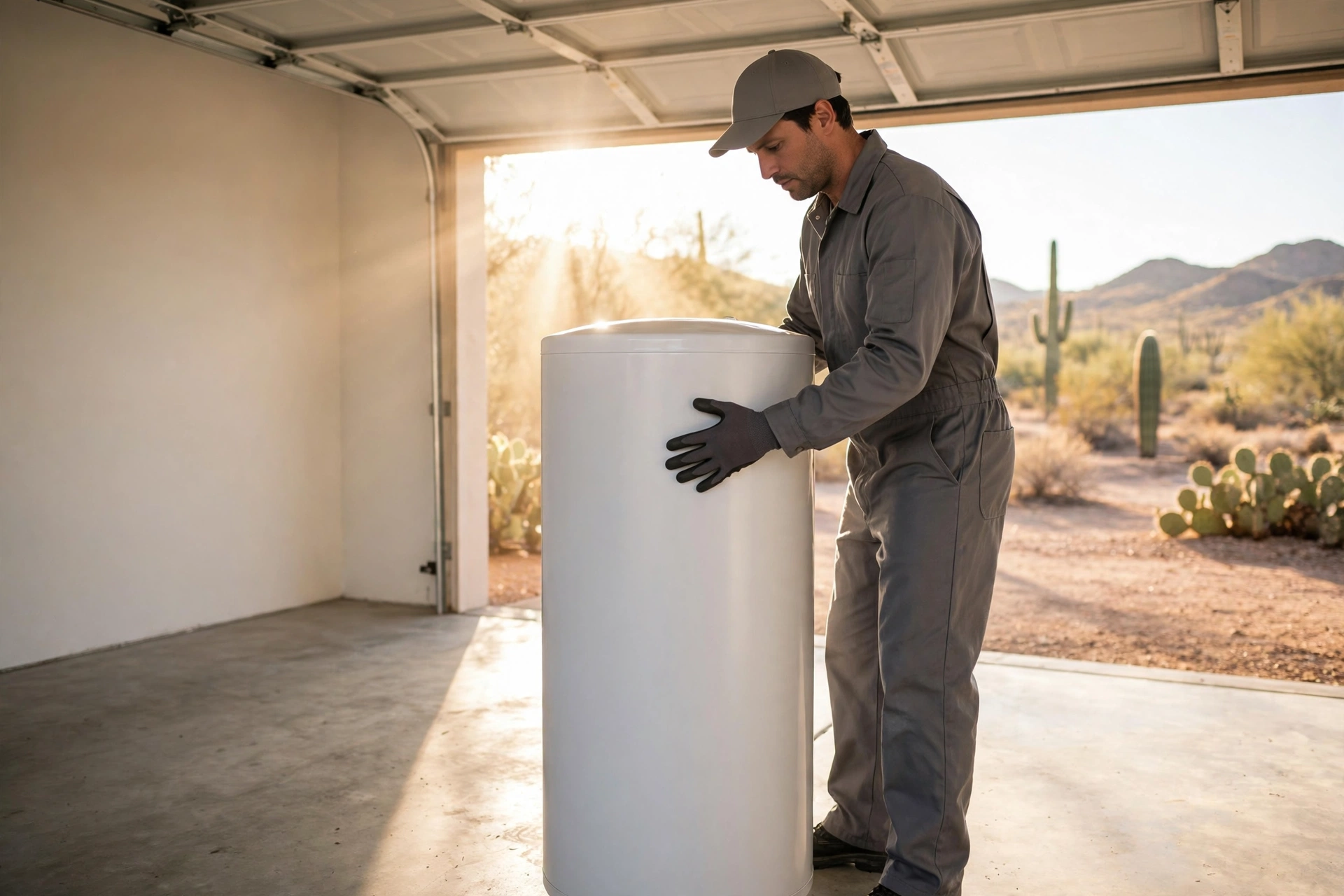
A new water heater installation in Tempe starts with sizing the tank to your household and choosing between ga…
Learn more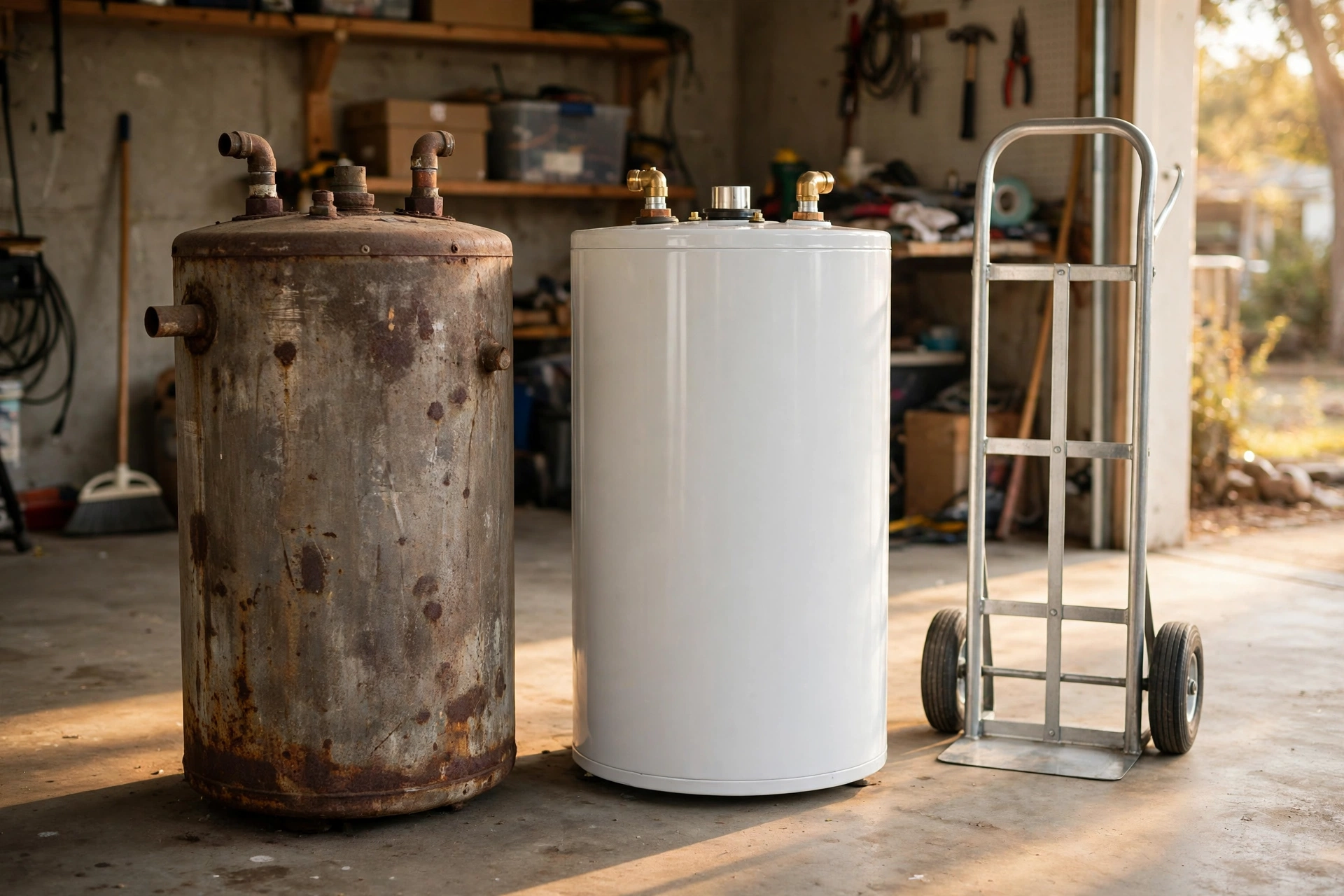
Water heater replacement makes sense when your tank is past its prime, leaking from the tank body, or costing …
Learn more