Central Phoenix Water Heater Repair for Older Homes
Central Phoenix keeps its history close, and that includes its plumbing. In the 85003 ZIP code, from downtown blocks to the Roosevelt and Encanto-Palmcroft historic districts, 1930s to 1960s bungalows house water heaters in tight garages, small utility rooms, and spaces converted long after the house was built. Valley Water Heater Pros connects homeowners here with independent contractors who know how to work in these older footprints without tearing the house apart.

Serving Phoenix, AZ 85003
Age brings character and quirks in equal measure. Original pipe materials, decades of piecemeal updates, and tanks wedged into spaces designed before modern codes all shape every service call. Underneath it all, the same Valley realities apply: 15 to 25 grains per gallon of hard water, garage temperatures past 115 degrees in summer, and a local tank lifespan of roughly 6 to 10 years. Old-house charm does not exempt a water heater from any of that.
Bungalows From the 30s to the 60s and Their Water Heaters
Phoenix's historic bungalows were built when water heaters were smaller, simpler, and expected to be replaced by whoever owned the house next. Many still have the original utility layout: a compact garage or carport corner, sometimes a converted porch, with a tank shoehorned into whatever space was available. Replacements in these homes are exercises in creative fitting, and experience with older houses matters more than brand knowledge.
The surrounding plumbing tells the home's history. Galvanized steel from the original build, copper from a 1980s update, maybe PEX from a recent remodel, all meeting at the tank. Each material ages differently, and the connections between them are where leaks start. A contractor who works historic districts reads these mixed systems at a glance.
Space constraints also limit options. A 75-gallon upgrade might be physically impossible where a 40-gallon tank barely fits, which makes accurate sizing and high-recovery models more important here than in a suburban garage with room to spare. Measure the space before falling in love with a bigger tank.
Swamp cooler closets, converted porches, and carport corners all host water heaters in central Phoenix, and each brings quirks. Converted spaces may lack proper combustion air for gas units; carport installs face more dust and temperature swing. When a contractor surveys an unusual location, ask specifically about air supply and weather exposure, not just the tank. The location shapes the maintenance plan as much as the equipment does.
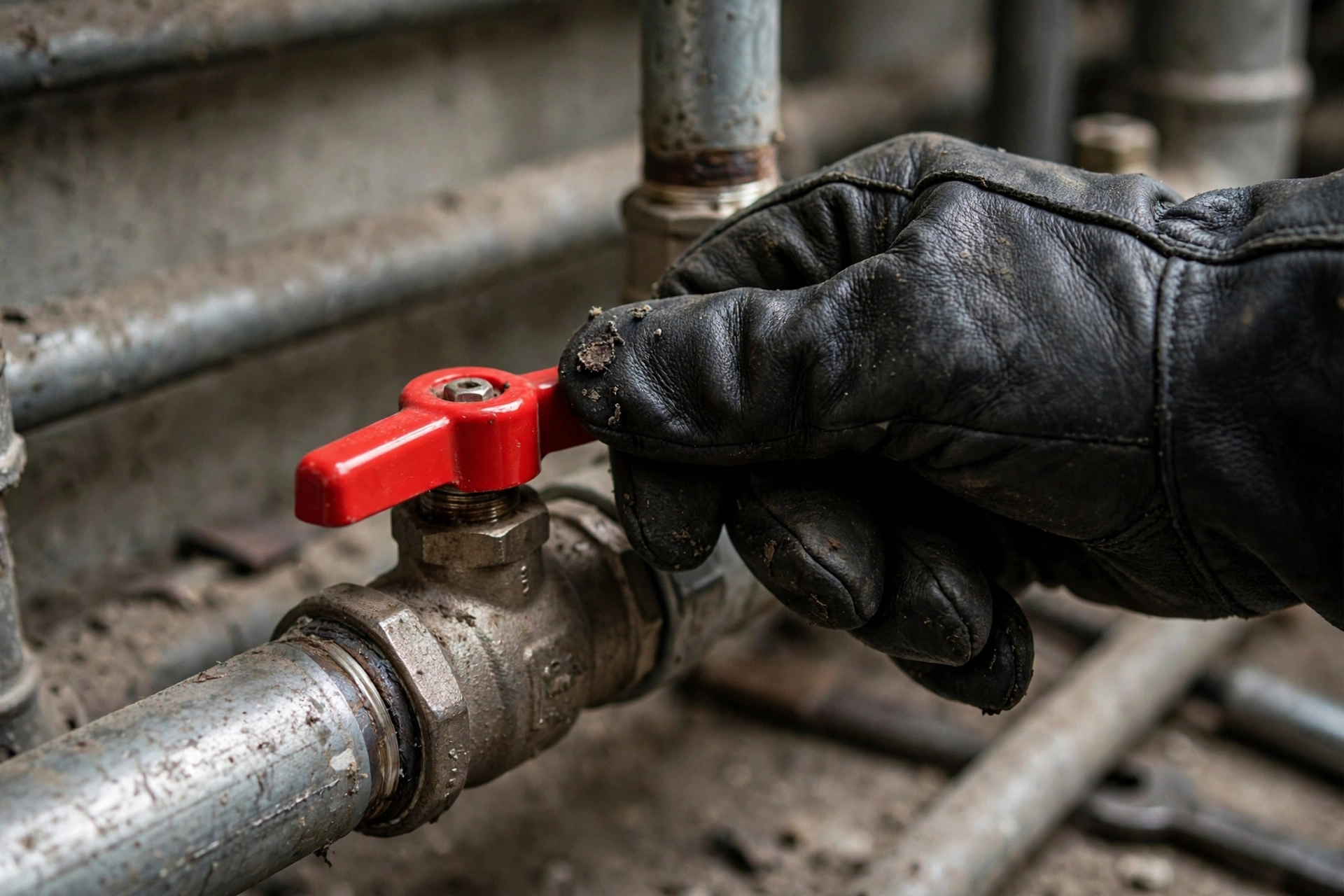
Older Pipes Meeting a Brand-New Tank
Dropping a new water heater onto aging pipes without addressing the connections is asking for callbacks. In central Phoenix homes, the shutoff valves, supply lines, and dielectric unions around the tank are often as old as the unit being replaced, and sometimes older. A thoughtful <a href="/water-heater-installation">installation</a> updates these wear items while the system is open, because reopening everything in two years costs far more.
Water pressure deserves a check during any replacement in an older home. Historic districts can have pressure quirks, and high pressure stresses tanks, relief valves, and old pipes alike. If the relief valve drips or pipes knock, a pressure test takes minutes and can reveal a problem that a new tank alone will not solve.
Corroded or undersized gas lines are another old-house find. A new gas unit may need more fuel flow than the original line delivers, especially when upgrading capacity. Verifying gas supply during the estimate prevents the discovery mid-install that the line needs upsizing.
Tight Garages and Clever Install Solutions
Central Phoenix garages were built for smaller cars and simpler times, and many barely fit a modern vehicle, let alone a water heater with proper clearances. Tanks end up tucked behind storage, squeezed beside the washer, or perched where access for maintenance is an afterthought. Every one of these compromises makes future service harder and failures messier.
Clearances are not just convenience; they are safety and code. Gas units need combustion air and venting space, and all tanks need enough room for a technician to actually work on them. During a replacement, it is worth rethinking the layout rather than replicating a bad one. Sometimes shifting the tank a few feet transforms both access and safety.
If your tank is currently inaccessible behind a wall of boxes, that is a maintenance problem today, not just a replacement problem tomorrow. Annual <a href="/water-heater-maintenance">flushes</a> cannot happen if nobody can reach the drain valve. Clear a path and keep it clear; your future service calls will go faster and cost less.
Pilot Lights, Thermocouples, and Aging Gas Units
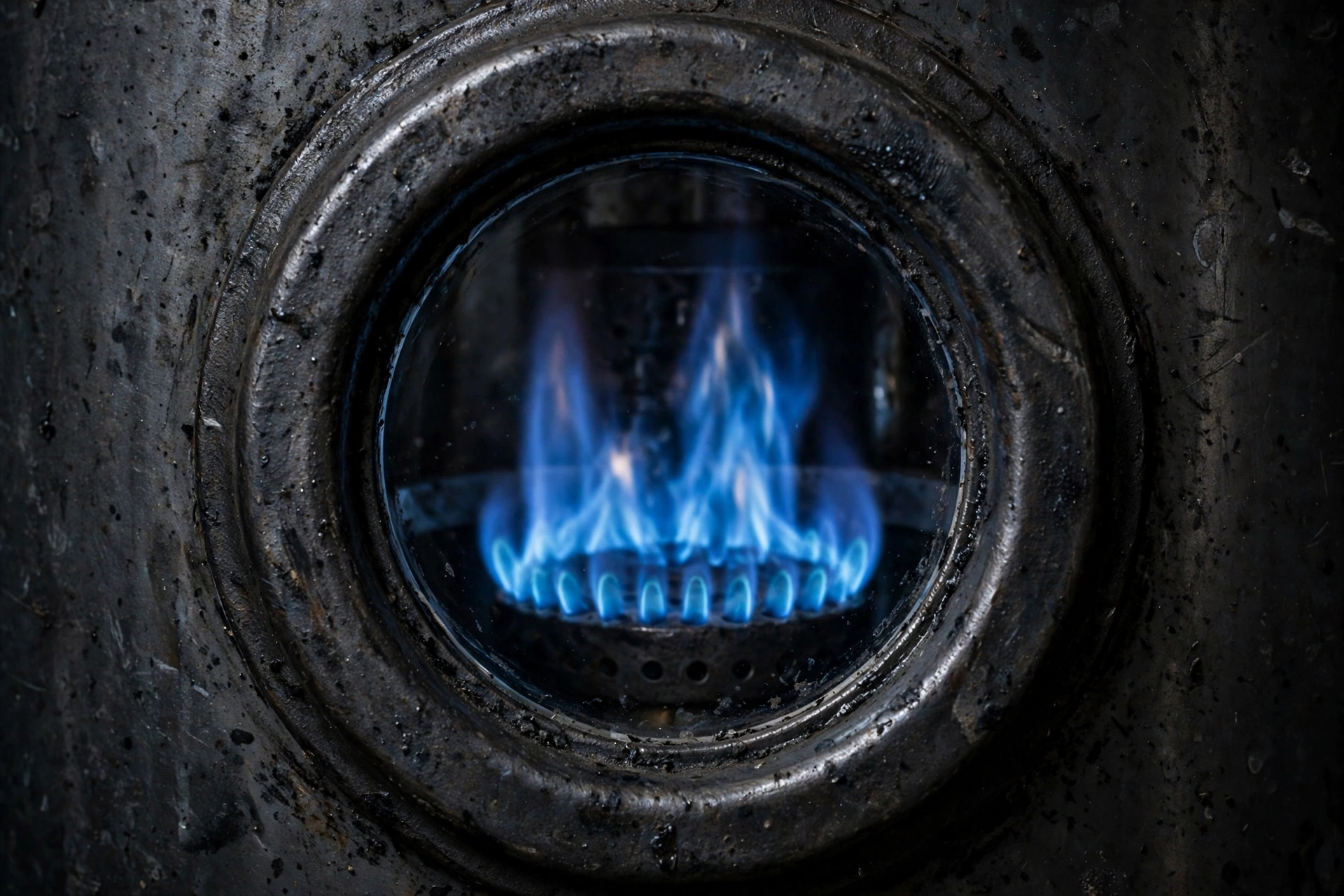
Many central Phoenix homes still run older gas water heaters with standing pilots, and these units have a familiar set of complaints. Pilots that will not stay lit, thermocouples that fail every couple of years, and burners fouled by decades of dust are the standard vocabulary of aging gas tanks. The good news is that these are among the most repairable problems in plumbing.
A pilot that keeps going out usually traces to a weak thermocouple, a dirty pilot assembly, or a draft issue around the unit. A <a href="/gas-water-heater-services">gas service visit</a> diagnoses this quickly, and the fix is typically a single part and under an hour of labor. There is no need to replace a structurally sound tank over a ten-dollar-class part.
That said, age plus gas equals a shorter fuse on the replace decision. A 12-year-old gas tank with a rusting base is not worth a thermocouple; it is worth a replacement. And any smell of gas near the unit means stopping what you are doing, avoiding sparks or flames, and calling for help immediately.
Roosevelt and Encanto-Palmcroft: Replacement Planning for Historic Homes
In the historic districts, water heater replacement intersects with preservation sensibilities and practical constraints. Exterior venting changes can affect the home's appearance, garage conversions may have buried the original install location, and HOA or historic guidelines occasionally govern visible changes. None of this prevents replacement, but all of it rewards planning over improvisation.
Start the conversation while the old tank still works. A contractor familiar with the districts can walk the property, note venting routes, check gas and electrical capacity, and flag anything unusual before it becomes a mid-job surprise. Planned replacements in historic homes go smoothly; emergency replacements in historic homes get expensive.
This is also the moment to consider whether the home's hot water setup still fits the household. Guest houses, added bathrooms, and home offices all increase demand beyond what the original 30 or 40 gallon tank was sized for. Replacement day is the cheapest day to right-size the system for the house as it exists now.
Buyers touring historic district homes should add the water heater to their mental inspection list. Note the tank's age from the label, look for rust and dampness at the base, and ask when it was last serviced. A new tank in an old house is a selling point; an ancient one is a negotiation point. Either way, knowing before closing beats discovering after.
Sediment and Scale in Downtown Water Lines
Central Phoenix shares the Valley's 15 to 25 grains per gallon hard water, and downtown's older distribution plumbing can add its own sediment to the mix. Tanks here fight a two-front war: mineral scale from the water itself, and particulate stirred up from aging municipal and household lines. The result is sediment buildup that can outpace even the Valley average.
Flushing matters enormously in these conditions, and it sometimes reveals how bad the buildup has gotten. If your tank has never been flushed and it is past year five, tell the contractor upfront. Draining a heavily scaled tank can occasionally disturb sediment in ways that reveal weak spots, and an honest pro will talk through the tradeoffs before opening the valve.
Between flushes, watch for the classic symptoms: popping during heating, hot water that runs out early, and any rusty tint. In older neighborhoods, a little initial discoloration after the city works on nearby mains is normal and clears quickly; persistent rusty hot water is a tank problem, not a city problem.
Rentals, Turnover, and Hot Water Reliability
Central Phoenix has a deep rental market, from historic duplexes to downtown apartments, and water heaters are the appliance tenants notice first when they fail. For landlords, a dead tank means an urgent call, an unhappy tenant, and often a premium emergency rate. For tenants, it means cold showers and a habitability issue that cannot wait.
Landlords get the best economics from prevention: annual flushes, anode rod checks, and replacing tanks proactively around year eight or nine instead of waiting for the midnight flood. The cost of one emergency replacement exceeds years of maintenance, and reliable hot water is one of the simplest tenant-retention tools there is.
Tenants should know the basics: where the tank is, where its shutoff valve is, and to report lukewarm water, noises, or dampness immediately rather than adapting to them. Small problems reported early stay small; the same problems reported at move-out have had months to grow.
For multi-unit properties, staggering replacements beats replacing everything at once. Tanks installed the same year fail in the same window, so replacing the oldest each year spreads cost and avoids a season of simultaneous emergencies. Track each unit's age in a simple log, and the portfolio's hot water stops being a source of surprises.
Upgrading Venting and Safety on Older Installs
Decades of updates leave some central Phoenix gas installs with venting that would not meet current standards: undersized flues, long horizontal runs, or terminations too close to windows and doors. A water heater replacement is the natural moment to bring venting up to date, since the old vent comes apart anyway during the swap.
Proper venting is a safety issue first and an efficiency issue second. Combustion gases must have a clear, correctly sized path out of the home, and backdrafting, where exhaust spills into the living space instead of rising out, is dangerous. If your gas unit is in a tight interior space rather than a garage, venting scrutiny matters even more.
During any <a href="/water-heater-repair">repair or replacement</a> on a gas unit, ask the contractor to assess the venting as part of the job, not as an afterthought. In older homes, this single check catches the problems that decades of piecemeal work leave behind, and it is the upgrade that protects everything the new tank delivers. Ask for the venting assessment in writing with the estimate, so the safety work is scoped and priced alongside the tank itself instead of surfacing as an extra later.
Related: Water heater installation, Gas water heater services, Water heater repair services, Water heater repair in Tempe, Water heater repair in Scottsdale
Water Heater Questions in Phoenix?
Tell us what your unit is doing and where you are, and we will help arrange the next step.
My Phoenix bungalow has very little space for a water heater. What are my options?
Tight spaces call for careful measurement and sometimes creative solutions: low-profile or short tanks, high-recovery models that deliver more hot water from a smaller footprint, or tankless units that free up floor space entirely. A contractor experienced with historic homes can assess the space and recommend what actually fits.
Why does my relief valve keep dripping?
A dripping temperature and pressure relief valve often signals high water pressure or thermal expansion issues, both common in older central Phoenix homes. It can also mean the valve itself is failing. Have the water pressure tested during a service visit; the fix may be a pressure adjustment or an expansion tank rather than a heater problem.
Is it worth repairing a 12-year-old water heater?
Usually not. At 12 years in Phoenix conditions, the tank is past its expected life and likely corroding internally, so repair money is better put toward replacement. The exception would be a purely external issue on an otherwise sound tank, but that is rare at that age. A contractor can confirm with a quick inspection.
What should I do if I smell gas near my water heater?
Do not light anything, do not flip switches, and leave the area. From a safe distance, call for emergency help. A gas smell near the unit can indicate a leak at the supply line or valve, and it needs immediate professional attention. Do not try to diagnose or tighten gas fittings yourself.
Can hard water damage the pipes in my old house too?
Yes. The same minerals that scale up a water heater also narrow old pipes over decades, especially galvanized steel, reducing flow and water pressure. During a water heater service visit, ask the contractor to note the condition of visible piping; replacement day is an efficient time to update the worst sections.
How do I prepare my water heater for a home sale?
Buyers and inspectors notice old water heaters, so check the tank's age and condition before listing. A flush, fresh anode rod check, and tidy install area present well, and replacing a tank past year ten removes a common inspection flag. Keep service records to show buyers the unit has been maintained.
Water Heater Questions in Phoenix, Answered
Not seeing your question? Request service and tell us what your unit is doing.
Call (480) 806-1663Nearby East Valley Towns and Cities


 Hot Water, Handled
Water Heater Repair in Phoenix
Valley Water Heater Pros connects central Phoenix homeowners with independent plumbing contractors who specialize in the area's older housing stock. Around downtown and the historic districts, 1930s to 1960s bungalows still run tanks in tight garages and converted spaces, all facing 15 to 25 grains per gallon of hard water and summer heat past 115 degrees. Local tank lifespans run about 6 to 10 years. Contractors serving the 85003 area handle repairs, flushes, code-conscious replacements, and upgrades for historic homes.