Apache Junction Water Heater Repair at the Foot of the Superstitions
Apache Junction sits where the suburbs give way to the Superstition Mountains, and its water heaters reflect that in-between character. Manufactured and modular homes mix with site-built houses, outlying properties run on well water, and every winter brings an influx of seasonal residents who expect hot water waiting when they arrive. Valley Water Heater Pros connects homeowners across the 85119 ZIP code with independent contractors who know this specific mix.
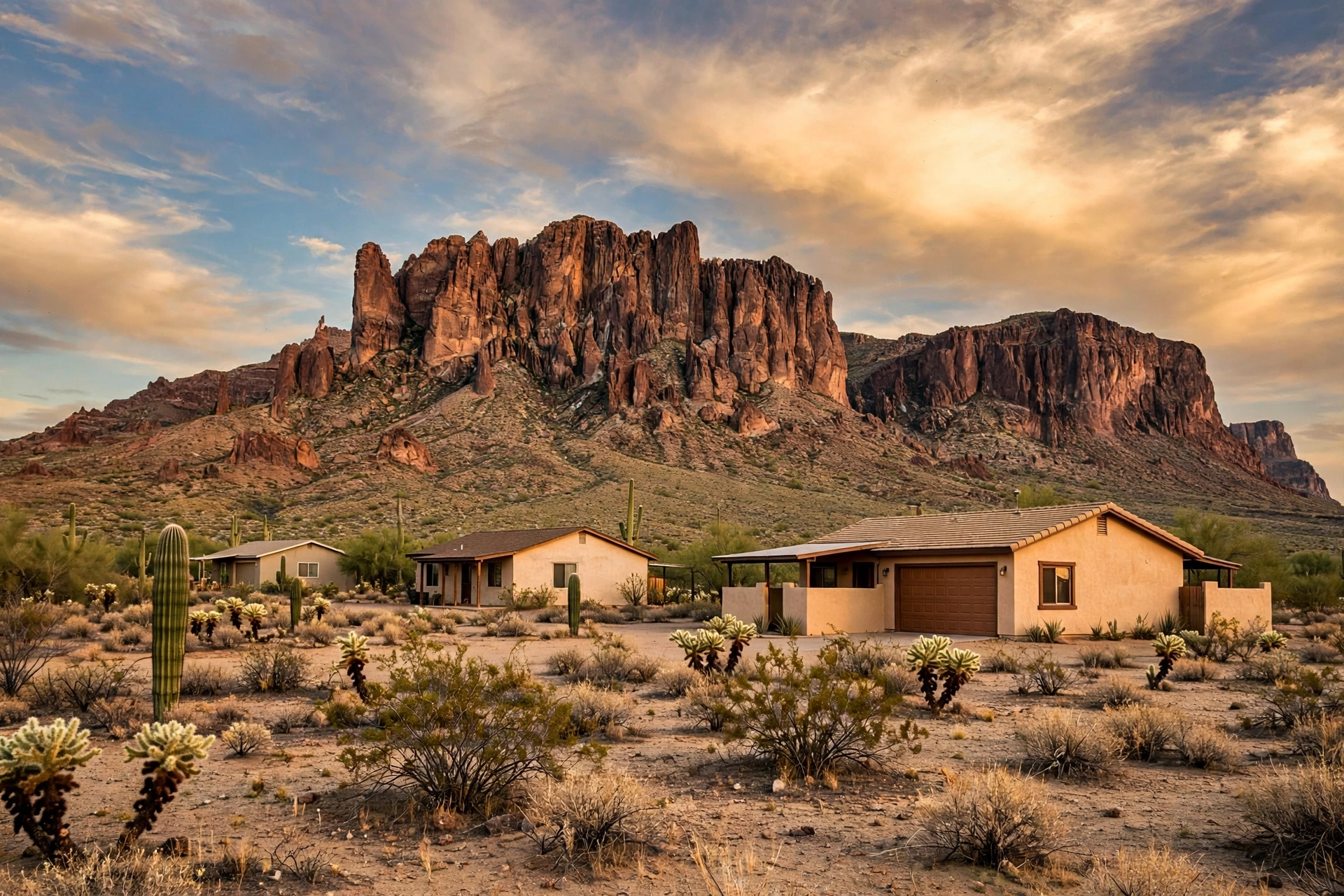
Serving Apache Junction, AZ 85119
Desert-edge living adds its own stresses to the standard Valley formula. Dust finds every vent and burner, temperature swings are wider away from the urban core, and well-water properties deal with mineral content that can exceed even the city's hard supply. Tanks here still average 6 to 10 years, and the ones that reach ten are almost always the ones that get flushed yearly and checked before winter visitor season.
Manufactured and Modular Homes Need the Right-Sized Tank
Manufactured and modular homes have specific water heater requirements that site-built houses do not. HUD standards govern approved units for manufactured housing, and the compact utility spaces in these homes limit what fits. Installing a standard residential tank where a manufactured-home-rated unit belongs is not just a poor fit; it can create real safety and code problems.
Sizing matters differently in smaller floor plans too. A manufactured home with one or two bathrooms does not need the same capacity as a five-bedroom suburban house, but it still needs enough recovery to handle back-to-back morning showers. A contractor familiar with manufactured housing will match the unit to both the space and the household.
Access is the other manufactured-home reality. Tight utility closets and under-home clearances make service harder, which makes preventive maintenance more valuable, not less. A yearly <a href="/water-heater-maintenance">flush and inspection</a> in an accessible, planned visit beats an emergency call in a cramped space every time.
Park models and smaller manufactured setups in the area sometimes use compact or point-of-use tanks rather than full residential units. These have their own maintenance needs and shorter lifespans, but the same principles apply: know the age, flush on schedule, and replace before failure. Compact does not mean maintenance-free, especially in desert water.
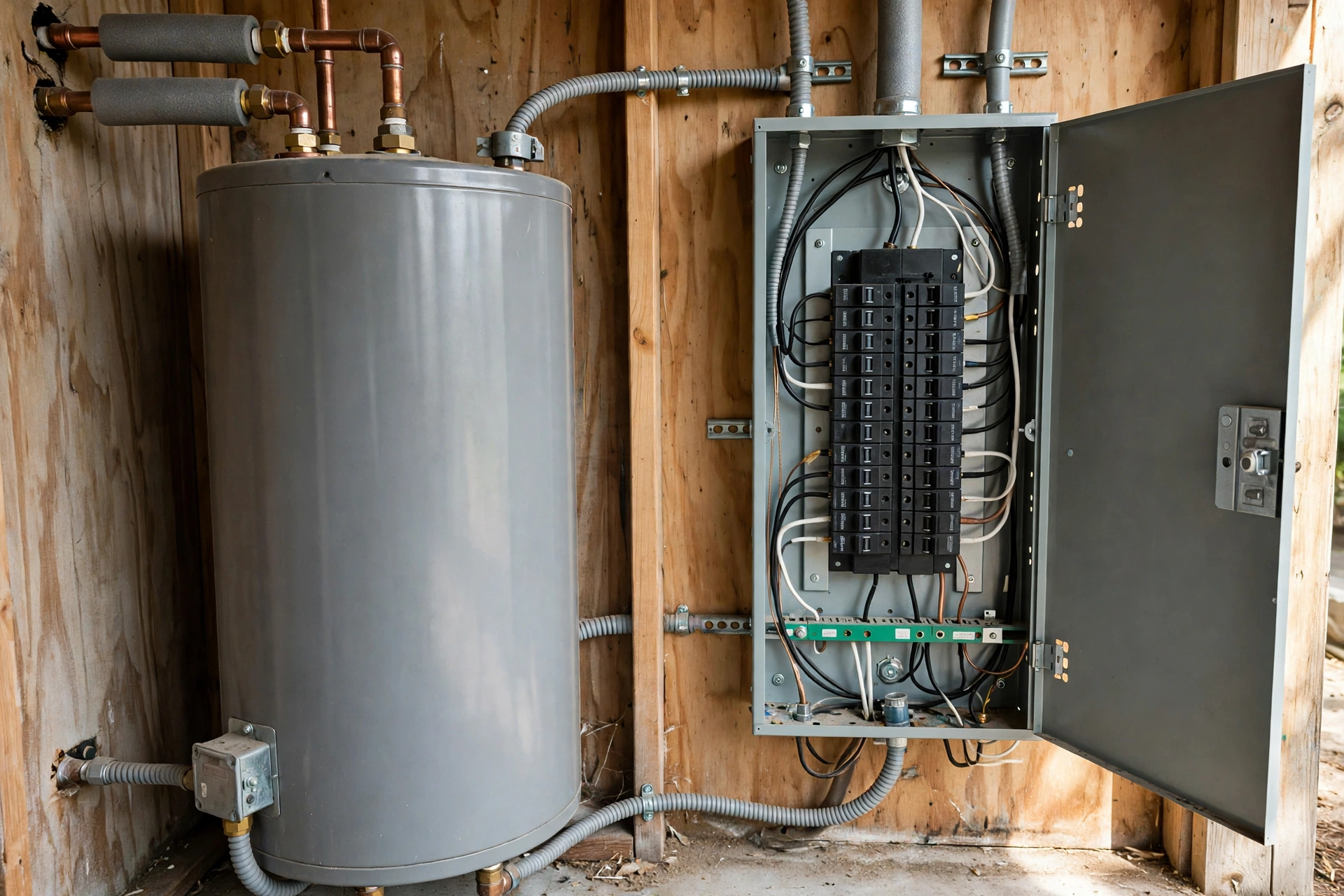
Well Water Properties on the Outskirts
Beyond the city water lines, Apache Junction's outlying properties run on wells, and well water writes its own rules. Mineral content varies wildly from well to well and can far exceed municipal hardness, which means sediment buildup that makes city water look gentle. Some wells also carry iron or sulfur that stains fixtures and gives hot water a distinctive rotten-egg smell.
Well-water tanks need more aggressive maintenance: more frequent flushing, closer anode rod monitoring, and honest conversations about water treatment. A softener or filtration setup sized for the well's actual mineral profile protects not just the water heater but every fixture and appliance in the house. Testing the water is step one; guessing is expensive.
If your hot water smells like sulfur, the fix is usually in the tank, not the well. Bacteria thriving in sediment react with the anode rod to produce hydrogen sulfide gas. A contractor can flush the tank, evaluate the anode rod, and discuss treatment options that address the cause rather than masking the symptom.
Well owners should also test for more than hardness. Iron, manganese, and pH all affect plumbing differently, and a basic water test is inexpensive. The results guide treatment choices that protect the water heater along with everything downstream. Guessing at treatment wastes money; testing once sets the strategy for years.
Winter Visitors and the Seasonal Hot Water Surge
Every fall, Apache Junction's population swells as winter visitors return, and every fall, dormant water heaters wake up to full demand. A tank that sat quietly all summer, or a park model that sat empty for months, suddenly faces daily showers, laundry, and dishwashing. The units that were not serviced before the season are the ones that fail during it.
The pre-season check is simple and effective: flush the tank, test the relief valve, check the anode rod, and verify the thermostat. For <a href="/water-heater-repair">gas units</a>, that also means checking the burner and venting after months of dust accumulation. An hour of prevention in October beats an emergency call in December with guests in the house.
Visitors arriving to a second home should run the hot water for several minutes on arrival, checking for discoloration, odor, and proper temperature. Stale water sitting in a hot tank for months can harbor bacteria and taste off; flushing the lines clears it. If anything seems wrong, call before the problem settles in for the season. Label the shutoff valve with a tag so guests and house watchers can find it fast in an emergency.
Dust, Wind, and Protecting Outdoor Equipment
At the desert's edge, wind and dust are not occasional weather; they are the climate. Dust infiltrates burner compartments, clogs vent screens, and settles on every surface of a garage or utility-area install. After a windy stretch, gas units especially benefit from a visual check and cleaning around the burner and vent termination.
Some Apache Junction properties have water heaters in exterior utility closets or semi-exposed locations, where wind-driven dust and driving rain hit harder. These installs need weather-tight enclosures, intact vent caps, and drainage that moves monsoon runoff away from the equipment. A closet that floods every August will kill tanks early no matter how good the unit is.
Landscaping choices matter too. Gravel and bare dirt near the utility area become dust sources with every gust, while rock mulch and windbreak plantings calm things down. It sounds like yard talk, but the dust load around the water heater directly affects how often burners need attention.
Replacing an Aging Unit Before It Floods the Carport
In many Apache Junction homes, the water heater sits in a carport or attached garage where a leak spreads across concrete toward stored belongings, vehicles, and the house itself. Tanks do not schedule their failures, and a rusted-through tank can release dozens of gallons in a hurry. The homes most at risk are the ones where nobody has checked the tank's age in years.
The warning signs are the same as anywhere: rust streaks on the jacket, dampness at the base, popping sounds, rusty hot water. But the consequences of ignoring them are shaped by the location. A carport leak that reaches drywall or seeps under a wall plate becomes a structural repair, not just a plumbing one.
If your tank is past year eight, treat replacement as planning, not panic. A scheduled <a href="/water-heater-replacement">replacement</a> lets you address the pan, the drain routing, and the shutoff valve all at once. It is a half-day project on your calendar versus a middle-of-the-night emergency that sets its own terms.
While planning, consider the shutoff situation too. Older installs sometimes lack a dedicated, working shutoff valve at the tank, which turns every future service call into a whole-house water shutdown. Adding a proper ball valve during replacement is a small cost that pays back at every maintenance visit for the rest of the unit's life.
Gas Service Realities Near the Superstitions
Gas water heaters are common in Apache Junction, and desert conditions give them a specific maintenance profile. Dust fouls burners and pilot assemblies faster here than in the urban core, monsoon humidity accelerates corrosion on vents and connections, and wide temperature swings stress gas valves and regulators. Annual service on a gas unit here is working maintenance, not a formality.
Venting deserves particular attention. Wind can affect draft on exterior terminations, and dust accumulation in the flue reduces efficiency and can cause sooting. During any service visit, the vent path should be inspected end to end, not just glanced at. Combustion safety is the part of water heater ownership that does not tolerate shortcuts.
For <a href="/electric-water-heater-services">electric units</a>, the desert profile is simpler but not gentler: heating elements still scale over in hard water, and power surges from monsoon-season storms can damage control boards on modern units. A whole-home surge protector is cheap insurance for any home with electronic appliances, water heater included.
Quick Repairs When the Season Starts Without Hot Water
The most common Apache Junction service call has a season: October through December, when returning residents discover the water heater did not survive the summer off-season. Thermostats stuck from months of disuse, pilot assemblies clogged with dust, elements scaled over during idle months, and relief valves weeping from thermal cycling all surface the first week the house is occupied.
Most of these are quick fixes in practiced hands. A diagnostic visit identifies whether the problem is a single failed part or a tank that aged out while nobody was watching. Same-day <a href="/emergency-water-heater-repair">repair service</a> exists for exactly this moment: the house is full, the season is short, and nobody wants to spend the first week waiting on parts.
The lesson compounds yearly. Every fall, the homes that got a pre-season check sail through; the homes that skipped it roll the dice. After one emergency visit, most seasonal residents become converts to the October tune-up, and their water heaters reward them with uneventful winters.
Stretching Tank Life in Harsh Desert Conditions
Apache Junction asks more of water heaters than most suburbs, which means maintenance matters more here, not less. The full routine is straightforward: flush yearly, check the anode rod, test the relief valve, keep the burner and vent clear of dust, and verify the thermostat setting. None of it is complicated; all of it gets skipped, and skipped maintenance is how six-year tanks happen.
Water treatment earns its keep faster at the desert's edge. Whether the supply is hard city water or mineral-heavy well water, reducing what flows into the tank pays back in lifespan and efficiency. Even a basic treatment setup changes the maintenance math, stretching flush intervals and protecting the anode rod.
Finally, know your tank's age and plan around it. A nine-year-old unit in Apache Junction conditions is not a candidate for heroic repairs; it is a replacement waiting for a convenient date. Choosing that date yourself, before the tank chooses it for you, is the single calmest decision in water heater ownership.
Desert renters and snowbirds sharing a property should agree on who handles the water heater basics: who schedules the fall check, who watches for leaks, who keeps the service records. A thirty-second conversation at the start of the season prevents the finger-pointing that follows a preventable failure. Shared homes run on shared routines. Keep a simple log of the install date, flush dates, and any parts replaced. Five lines in a notebook beat five years of guessing when a contractor asks for the unit's history.
Related: Water heater maintenance and flushing, Water heater replacement options, Electric water heater services, Water heater repair in Mesa, Water heater repair in Queen Creek
Water Heater Questions in Apache Junction?
Tell us what your unit is doing and where you are, and we will help arrange the next step.
Can I put a regular water heater in my manufactured home?
Manufactured homes require units rated for manufactured housing under HUD standards, with specific approvals for the installation type. A standard residential tank may not meet those requirements and can create safety issues in the compact utility spaces these homes have. Always confirm the replacement unit is rated for manufactured home use.
Why does my hot water smell like rotten eggs?
That sulfur smell usually comes from bacteria in the tank sediment reacting with the anode rod, producing hydrogen sulfide gas. It is more common in well-water homes and in tanks that sat idle. A professional flush, anode rod evaluation, and possibly water treatment address the cause rather than just the odor.
How often should I flush a water heater on well water?
Well water often carries more minerals than city supplies, so twice-yearly flushing is a sensible baseline, with the schedule adjusted to what the contractor finds. If flushes keep pulling heavy sediment, water treatment becomes the longer-term answer. Annual anode rod checks matter even more on wells.
My winter home sat empty all summer. What should I check first?
Run the hot water for several minutes to clear stale water, checking for discoloration, odor, and proper temperature. Look around the tank base for any sign of leaking during the idle months. Then schedule a flush and inspection early in the season; sediment hardens during long idle periods in the heat.
Does dust really affect my gas water heater?
Yes, especially near the desert edge. Fine dust clogs burner assemblies and pilot openings, disrupts clean combustion, and can partially block venting. After windy or dusty stretches, the burner area may need cleaning for reliable operation. Annual service that includes burner and vent inspection prevents most dust-related outages.
What size water heater does a two-bathroom manufactured home need?
Most two-bath manufactured homes do well with a 30 to 40 gallon manufactured-home-rated tank, depending on household size and simultaneous use. The key constraints are the HUD approval requirements and the physical space in the utility closet. A contractor familiar with manufactured housing can confirm the right capacity and approved models for your specific home.
Water Heater Questions in Apache Junction, Answered
Not seeing your question? Request service and tell us what your unit is doing.
Call (480) 806-1663Nearby East Valley Towns and Cities

 Hot Water, Handled
Water Heater Repair in Apache Junction
Valley Water Heater Pros connects Apache Junction homeowners with independent plumbing contractors who understand housing at the edge of the desert. Manufactured and modular homes, outlying well-water properties, and winter visitor season all shape water heater needs in the 85119 area. Local tanks face hard water, dust, and summer garage heat past 115 degrees, with lifespans of about 6 to 10 years. Contractors here handle repairs, flushes, right-sized replacements, and seasonal tune-ups.